 Osaka City Guide
Osaka Neighborhoods
Osaka neighborhoods are usually presented as a list of eight or ten places with adjectives attached. They are better understood as one decision followed by four smaller ones: the city divides north and south, into Kita around Osaka Station and Minami around Namba, and almost everything a visitor cares about — where to sleep, where to eat, which station name to look for on a ticket machine — follows from which of those two you choose. The city's own sightseeing pass uses exactly that split to organise its attraction list, which is as close to an official district map as Osaka has. This page takes that spine, hangs twelve areas off it, and sends you to each district's own page rather than repeating it here. Figures carry dollar glosses at ¥1,000 ≈ $6.27, the European Central Bank reference rate; for the rest of the city, see top places to visit in Osaka.
Quick answer Kita or Minami, and which district does what — in four lines
Osaka splits into Kita, the northern business and station district around Umeda, and Minami, the southern eating and shopping district around Namba and Dotonbori. Kita has the transport — Osaka, Umeda and Shin-Osaka stations, the airport buses, the Shinkansen — and Minami has the street life: the canal, the arcades, the market, the neon. Choose Kita if you are moving in and out of the city or taking day trips; choose Minami if the point of the trip is the city itself. The five districts under those two, plus the bay and the castle side, are all a Metro hop apart at $1.19 to $2.45 (¥190 to ¥390) a ride.
Key takeaways
- The north-south split is not a travel-writer's invention: the city sightseeing pass groups its own attraction list into a Kita area, two Minami areas, a castle area and a bay area — what that pass costs is a separate question
- Sleep in Kita around Umeda for the trains, in Minami around Namba for the evenings — and read the tax bands on the where-to-stay page before you compare prices
- The two districts that surprise people are Nakanoshima, a river island of museums that empties at night, and Tennoji, the cheapest cluster per hour in the city
- If you would rather have the connections made for you, a walking loop covering the Minami side links the canal, the arcades and the market in one run
Kita or Minami: the decision, in one table
The two halves of Osaka compared on the four things that actually change your day. Station names and line letters are the operators' own; fares are Osaka Metro's published zone bands, read on in Q3 2026, with dollar glosses at ¥1,000 ≈ $6.27.
| Compared on | Kita — around Umeda | Minami — around Namba |
|---|---|---|
| The station | JR Osaka, Hankyu and Hanshin Osaka-umeda, Metro Umeda, Higashi-Umeda and Nishi-Umeda — plus Shin-Osaka for the Shinkansen two stops north | Nankai Namba for the airport, Kintetsu and Hanshin Osaka-Namba, Metro Namba on three lines |
| What it is for | Arriving, leaving, day trips, department stores, an observation deck and the museums on the island below it | Eating, drinking, arcades, the market, the canal and everything that stays open after dark |
| The big sight in walking distance | The Umeda Sky Building and its open-air deck, last admission 22:00 | Dotonbori, free, ungated and busiest between eight and ten in the evening |
| Airport link | Limousine bus to Osaka Station 60 minutes, $11.29 (¥1,800); HARUKA to Osaka or Shin-Osaka ¥1,800 discounted | Nankai Airport Express to Namba about 44 minutes at base fare; limousine bus to OCAT 50 minutes, $8.78 (¥1,400) |
| The catch | The station complex is genuinely hard to navigate and the district goes quiet early | Nothing opens early, and the hotel prices track the crowd |
Both halves sit on the Midosuji line, four minutes apart, so this is a choice about your evenings and your luggage rather than about access. The airport page prices every route in from both airports, and the transport page covers the day cards.
The twelve areas, grouped the way the city groups them
Filter to the half of the city you are considering, or sort by how long each area takes. The grouping follows the sightseeing pass's own area labels — Kita around Umeda, Minami around Namba and Dotonbori, Minami around Shinsekai and Tennoji, the castle area and the bay, with the largest of them split in two here for readability — and each entry links to its own page rather than repeating it here. Published figures come from the listings; times allowed are ours.
Kita — around Umeda
-
Umeda
Station district Free to walkHalf a daybook-ahead tier 1 of 3
Three railway companies, five station names and a department-store basement the size of a small town, with the open-air observatory at its western edge. It is where you arrive, where the day trips leave from, and the one district in Osaka where a map is genuinely necessary.
Tip: The tourism bureau has no district page for Umeda at all, so everything published about it comes from the individual venues — which is why the district page here is built from those rather than from a blurb.
-
Nakanoshima
River island Free to walk2–3 hbook-ahead tier 1 of 3
About three kilometres east to west and roughly fifty hectares, between the Dojima and Tosabori rivers: Edo-period domain storehouses became Meiji-era libraries and public halls, and those became the densest concentration of museums in the city. Quiet by seven in the evening.
Tip: The tourism bureau publishes the island's dimensions and its history but names none of its museums and gives no year for the Central Public Hall — so this site prints the dimensions and leaves the rest to the venues.
-
Tenjinbashisuji
Covered arcade Free1–1.5 hbook-ahead tier 1 of 3
About 2.6 kilometres of roofed shopping street running through seven chome of Kita-ku, with roughly 800 shops — a working local arcade rather than a tourist one, and the northern counterweight to the Minami arcades.
Tip: Its claim to be Japan's longest is certified by nobody public: the only body that lists it is a private records association, at 2.6 km, with no certification date given.
Minami — around Namba and the canal
-
Namba
Station district Free to walkHalf a daybook-ahead tier 1 of 3
The southern hub: Nankai's terminus for the airport, Kintetsu and Hanshin's Osaka-Namba, three Metro lines and an underground shopping town linking them. Everything else in this group is within fifteen minutes of it on foot.
Tip: It is the base to pick if you are flying into Kansai Airport, because the Airport Express arrives here in about 44 minutes at base fare with no surcharge and no reservation.
-
Dotonbori
Canal and signs Free60–90 minbook-ahead tier 1 of 3
The canal Doton Yasui had excavated in 1612, now a wall of three-dimensional signs and the most photographed bridge in western Japan. Nothing here charges admission and nothing keeps fixed hours — the bureau's own line for the street is that hours vary by store.
Tip: No official source publishes anything about the Glico sign: not its height, not which generation is lit, not its hours. Every figure in circulation is somebody's blog.
-
Hozenji Yokocho
Stone lane Free15–20 minbook-ahead tier 1 of 3
Two stone-paved lanes thirty seconds behind the canal, built around a moss-covered Fudo statue that visitors ladle water over. The bars along them seat about six people each.
Tip: It is not mentioned on the tourism bureau's own page for the surrounding district, which is a fair measure of how easy it is to walk straight past.
Minami — the arcades and Amerikamura
-
Shinsaibashi
Covered arcade Free45–60 minbook-ahead tier 1 of 3
About 580 metres of roofed arcade running north from the canal, an established shopping street since the Edo period and about 380 years old. Published footfall is roughly 60,000 on a weekday and 120,000 at the weekend.
Tip: Those figures are the tourism bureau's; the arcade association's own site publishes no length, no shop count, no founding year and no hours at all.
-
Amerikamura
Vintage quarter Free45 minbook-ahead tier 1 of 3
The blocks west of Shinsaibashi where, in the 1970s, converted warehouses began selling US West Coast vintage clothing, jeans and second-hand records. Its own association describes itself as a voluntary body of local shop owners rather than a promotion union.
Tip: Nobody publishes its boundaries, its founding year or a shop count — the association gives a decade and nothing more, so treat every map that draws a hard edge around it as invented.
-
Kuromon Ichiba
Market street Free to walk45–60 minbook-ahead tier 1 of 3
About 580 metres of covered market with roughly 150 shops, selling fish since merchants set up near Enmyoji temple in 1822. It burnt in the Great Namba Fire of 1912 and again in the war, and was rebuilt both times.
Tip: There is no market-wide opening time: the bureau prints varies by location for both hours and closed days, and the association's own site could not be reached.
Minami — around Shinsekai and Tennoji
-
Tennoji
Southern hub Free to walkHalf a daybook-ahead tier 1 of 3
A park, a zoo, the tallest building in the city, the oldest temple in the country and a mainline station, all inside a twenty-minute walk. It is the densest half day in Osaka and the cheapest per hour.
Tip: Hotel rates here run below both Kita and Minami and the Midosuji line puts you in Namba in minutes — the value base if you are not fussy about the evening.
-
Shinsekai
Retro quarter Free1–1.5 hbook-ahead tier 1 of 3
Laid out after the Fifth National Industrial Exposition of 1903, and now a grid of kushikatsu counters and pufferfish lanterns beneath the tower. Janjan Yokocho runs about 50 establishments along 130 metres.
Tip: The tower on the corner now requires a timed reservation for every ticket, pass holders included — the one booking anyone in this district has to make.
The castle side and the bay
-
Osaka Bay
Waterfront Free to walkHalf to full daybook-ahead tier 2 of 3
Tempozan on one side of the harbour, the theme park on the other, and a ferris wheel and a cruise pier between them. It is not a district you wander into; it is a destination you commit a day to, and neither of its two anchors is on the city sightseeing pass.
Tip: Decide about the bay before you plan anything else — it is the one area that cannot be folded into another day.
-
The castle area
Park and keep ¥1,200Half a daybook-ahead tier 1 of 3
Not a neighbourhood anybody lives a trip in, but the pass's own map treats it as an area and so should you: the keep at $7.52 (¥1,200), the city history museum across the road, a peace museum in the far corner and a great deal of open ground.
Tip: The park's own website is an unfinished template that renders placeholder text in place of its facility information, so nothing about the grounds — hours, gates, fees — has an official source.
Numbers match the list — tap a pin for the guide.
Only two of these thirteen entries publish a coordinate we could take from an official page, so the map carries two pins rather than thirteen. Every area also appears on the city map, which pins the individual sights inside them.
Guided walks, by district
The useful guided products here are neighbourhood walks rather than city overviews — one covering the northern district and its backstreets, one running the southern eating quarters, one looping the highlights. Prices are the platform's listings in US dollars, confirmed in your own currency at checkout.
 from $56.62
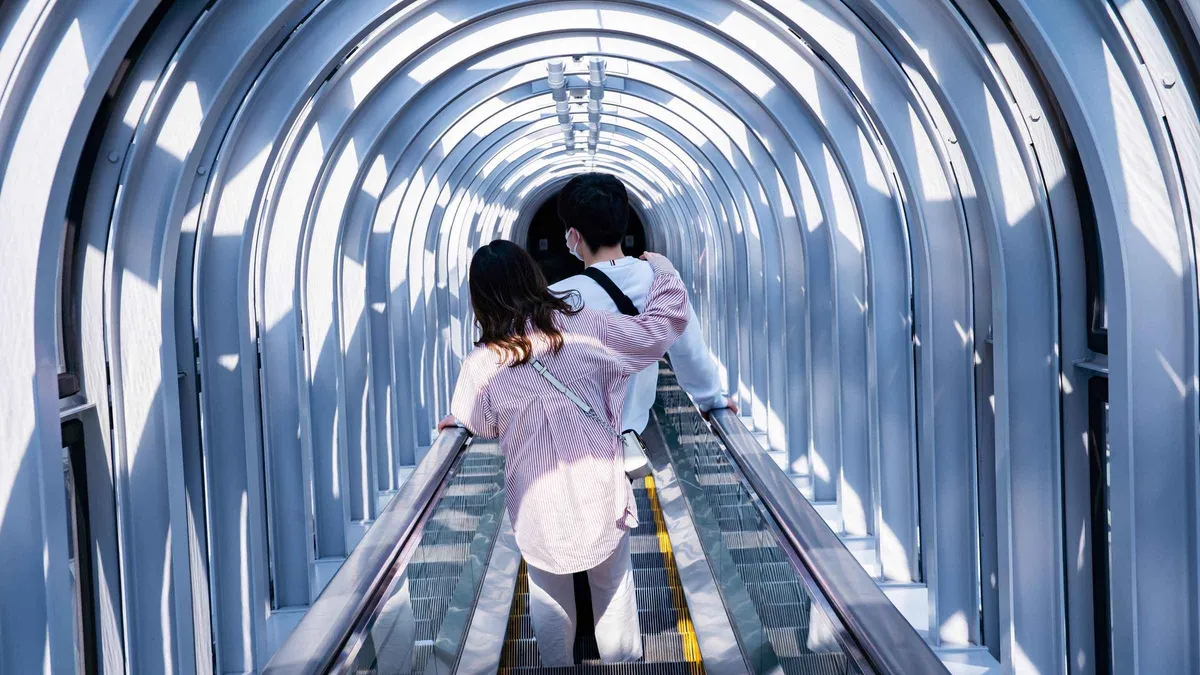
Osaka: Umeda Sky, Underground Mall & Nakazakicho Walk
Four hours with the ¥2,000 Floating Garden admission included, then the Whity Umeda arcades underground and the old houses and cafes of Nakazakicho. The guiding is what you are paying for; four ratings so far.
Check Availability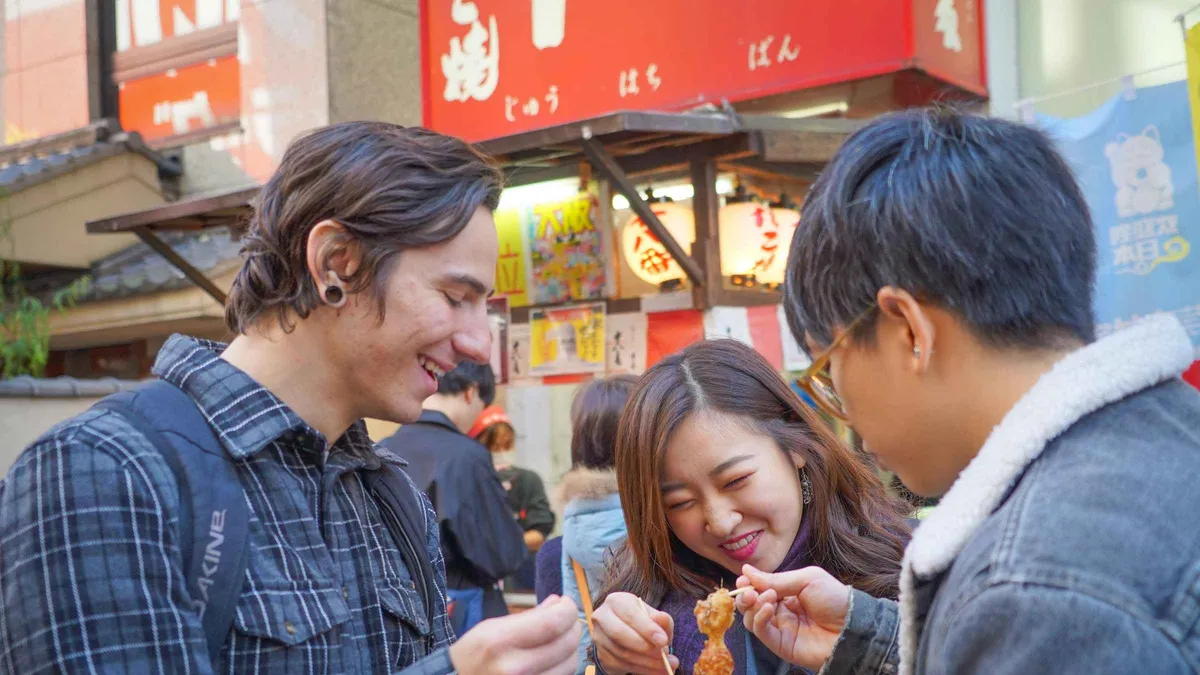 from $104.87
Osaka: Local Foodie Tour in Dotonbori and Shinsekai
Three hours across Shinsekai and Dotonbori taking in kushikatsu, takoyaki and an okonomiyaki you cook yourself, with two drinks. The dearest food walk here, and the ¥190 train fare between the two districts is on you.
Check Availability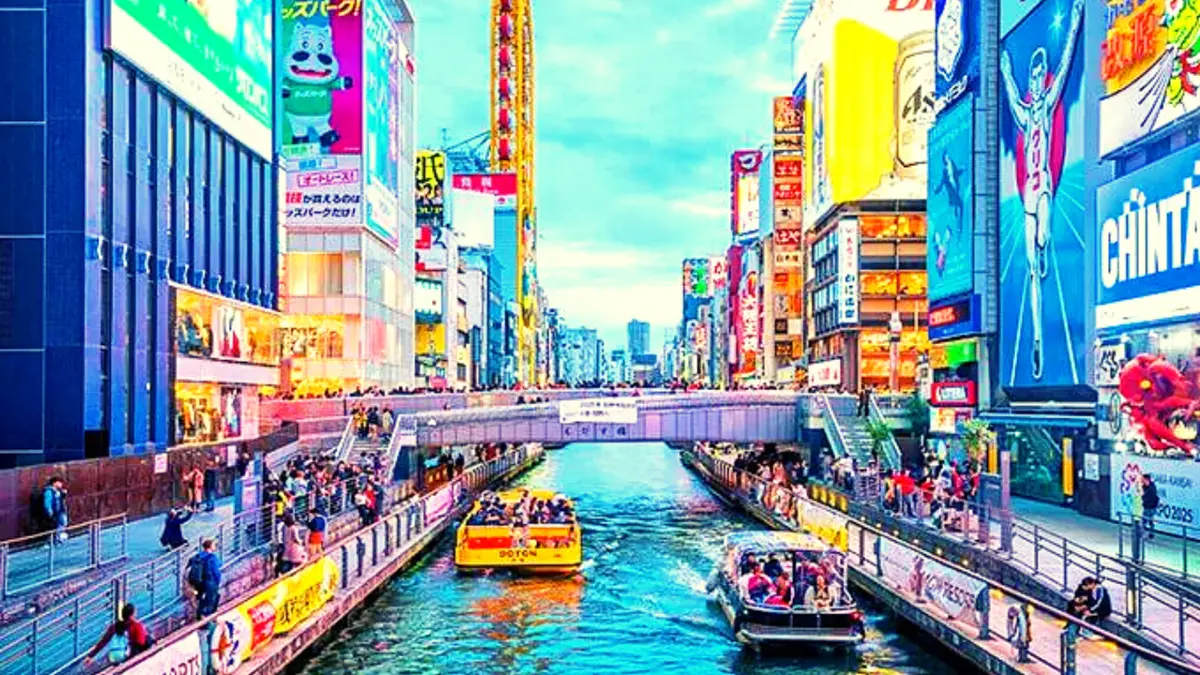 from $35.71
Osaka: Private or Group Hotspots & Hidden Gems Walking Tour
A three-hour walk that stretches to seven if you want it to, private or shared, with a takoyaki and a retro vending-machine drink included. The longer options use trains, which you pay for — usually under ¥1,000 a head.
Check AvailabilityPrices, ratings and details are the platform's own. Dollar figures are the listed prices. The platform bills in your account's currency.
Which side you should actually stay on
Four questions decide it, and only one of them is about money.
Are you flying into Kansai Airport and out again? Then Minami. Nankai's Airport Express reaches Namba in about 44 minutes at base fare with no surcharge and no reservation, and the limousine bus to OCAT is $8.78 (¥1,400) in 50 minutes. From Kita, both routes cost more and take longer.
Are you taking the Shinkansen, or day-tripping to Kyoto, Kobe, Nara or Himeji? Then Kita. Shin-Osaka is two stops up the Midosuji line, the JR Special Rapid to Kyoto leaves Osaka Station in 29 minutes for $3.64 (¥580) and to Sannomiya in 21 minutes for $2.63 (¥420), and the Hankyu alternatives leave from Osaka-umeda. The day-trips page has every fare.
Do you want to eat late? Then Minami, without qualification. Kita's restaurants are attached to offices and department stores and they keep those hours; the southern quarters run all evening, and the canal and the arcades never close.
Are you travelling with children, or on a tight budget? Then look at Tennoji. It has the zoo, the park, the tallest building in the city and the oldest temple in the country within one walk, hotel rates below both centres, and a direct Midosuji-line run to Namba. The with-kids page and the costs page go further into both.
- Arriving at Kansai Airport, staying three nights or fewer: Namba
- Day trips out of the city on most days: Umeda
- Second visit, want quiet and museums: Nakanoshima
- Family or budget, want space: Tennoji
- Coming for the theme park or the aquarium: read the bay page before booking anything
The tax that changes what a district costs, and the bands nobody has updated
Osaka Prefecture charges a lodging tax per person per night, and it was rebanded on 1 September 2025 — most published comparisons still print the old figures.
The tax is levied by the prefecture rather than the city, collected by the property, and applies across hotels, ryokan, simple lodgings and registered private lodging. It is charged per person per night, not per room, which is what makes it worth checking before you compare two districts.
| Room rate per person, per night | Tax now | Tax before 1 September 2025 | Typical district |
|---|---|---|---|
| Under $31.40 (¥5,000) | None | None, but the threshold was ¥7,000 | Hostels and capsules, Tennoji and Shinsekai |
| ¥5,000 to under ¥15,000 | $1.25 (¥200) | ¥100 | Business hotels across Kita and Minami |
| ¥15,000 to under ¥20,000 | $2.51 (¥400) | ¥200 | Mid-range Namba and Umeda |
| $125.40 (¥20,000) and over | $3.14 (¥500) | ¥300 | The bay towers and the Nakanoshima riverfront |
On a four-night stay for two people the difference between the top and bottom bands is $25.10 (¥4,000) — not a decision-changer, but it is a real line on the bill that gets sprung at check-out, and school-trip pupils and their escorts have been exempt since 1 November 2025.
The wider point about district pricing is that Osaka's spread is narrow. The gap between a business hotel in Tennoji and the same chain's Umeda branch is smaller than the gap between two Kyoto neighbourhoods, and every one of these districts is inside a $1.50 (¥240) Metro fare of the others. Choose for the evening you want, not for the saving. The where-to-stay page has the area-by-area case, and the costs page puts lodging beside food and transport.
The arcades, and what is actually published about them
Four of these districts are, in practice, covered shopping streets — and the numbers attached to them come from fewer sources than you would think.
The published figures are worth setting out together, because three of the four associations that ought to own them publish nothing, and the fourth is a private register.
| Arcade | Length | Shops | Who publishes it |
|---|---|---|---|
| Tenjinbashisuji | About 2.6 km | About 800 | The tourism bureau; the street's own site covers only two chome and gives no figures |
| Shinsaibashi-suji | About 580 m | Not stated | The tourism bureau; the arcade association publishes nothing at all |
| Kuromon Ichiba | About 580 m | About 150 | The tourism bureau — whose own second page says almost 170 |
| Amerikamura | Not stated | Not stated | Nobody; its association gives a decade and no boundary |
The Tenjinbashisuji case is the instructive one. It is described everywhere as the longest shopping street in Japan, and no public authority certifies that. What exists is the tourism bureau repeating the phrase, the street's own site — which covers only the second and third chome and publishes neither a length nor a shop count — and a private body, the Japanese Records Certification Association, which lists it at 2.6 kilometres as the longest arcade shopping street in Japan and gives no certification date. That is the whole evidential basis, and it is more than most cities offer.
What this means on the ground: the two Minami arcades are short enough to walk end to end in under an hour and are full of visitors; the Kita one is four times longer, thins out as you go north, and is where people actually shop. If you want the second kind of afternoon, take the northern arcade and turn round when it stops being interesting.
Moving between them, and what that costs
One line does most of the work, and knowing that is most of what a first-time visitor needs.
The Midosuji line is the spine: Shin-Osaka, Umeda, Yodoyabashi for Nakanoshima, Shinsaibashi, Namba, Dobutsuen-mae for Shinsekai, Tennoji, and on south to Nagai. Almost every district on this page is on it or one stop off it, and Umeda to Namba is four minutes.
Fares run by zone, not by distance guessed at a machine: ¥190 up to 3 km, ¥240 to 7 km, ¥290 to 13 km, ¥340 to 19 km and ¥390 beyond — about $1.19 to $2.45. Most district-to-district trips are in the first two bands. The Enjoy Eco Card covers all Metro and city bus lines for a calendar day at $5.14 (¥820) on a weekday and $3.89 (¥620) at weekends, and pays for itself at four rides on a weekday, three at the weekend.
Two traps are worth carrying. The day card does not cover the private railways that run onto Metro track — Hankyu, Kintetsu, Kita-Osaka Kyuko — so a trip that continues past the boundary is settled at the exit gate. And the pass most visitors buy is not valid to or from Kansai Airport at all. The transport page has both in full, along with the pass that quietly stopped covering buses in April 2026.
What no authority publishes about these neighbourhoods
The gaps are unusually large here, and printing them is more useful than filling them.
There are no official district pages for three of the biggest. The tourism bureau has no page for Umeda and Kita, none for the bay and Tempozan and none for Tennoji and Abeno — the obvious English addresses return nothing. Every district page on this site for those three is built from the individual venues' own pages and from transport operators, which is why they print hours and fares rather than atmosphere.
Nobody owns Dotonbori. The domain that looks like a district authority belongs to the neighbouring shopping-street association, whose own certificate had expired when we read it. There is no body publishing the canal's rules, its hours or anything about its signage.
Amerikamura has no published boundary. Its association describes a voluntary group of shop owners in the Nishi-Shinsaibashi area and dates the district's character to the 1970s. There is no founding year, no shop count and no map edge from any source with standing.
Kuromon Ichiba's own association could not be read. Its site sat behind a bot challenge and answered every request the same way, so the market's own hours, closed days and rules about eating in the aisles are simply unavailable to us — and the bureau's varies by location is the only sourced line that exists.
No district publishes an eating-while-walking rule. Not one of the five we checked, and the association whose site would carry it is the unreachable one above. The convention is real and widely observed; the ordinance does not exist. What does exist is a city-wide street-smoking fine of $6.27 (¥1,000), in force since 27 January 2025 and covering heated tobacco.
Where to go next
The four pages that turn a district choice into a booking.
Where to stay in Osaka
The same areas judged as bases rather than as destinations, with the lodging tax bands and what each district's hotel stock actually is.
The booking decisionOsaka map
Every sight in the city pinned and numbered, filtered by the same district labels this page uses.
The pinsGetting around Osaka
Metro zone fares, the day card that is cheaper at weekends, the IC card rules and the pass that stopped covering buses.
The practical pageThings to do in Osaka
Twenty-two sights priced, timed and grouped by exactly these areas, nine of them free.
The whole listOsaka neighborhoods: the questions
What is the difference between Kita and Minami in Osaka?
Kita is the northern half around Osaka and Umeda stations — transport, offices, department stores, the observatory and the museum island below it. Minami is the southern half around Namba and Dotonbori — eating, arcades, the market and everything that runs late. The city's own sightseeing pass groups its attractions under exactly those labels, and the table above compares them line by line.
Which is the best neighborhood to stay in Osaka?
Namba if you are flying into Kansai Airport and the trip is about the city; Umeda if you are day-tripping to Kyoto, Nara, Kobe or Himeji; Tennoji if you want space and a lower rate. Every one of them is within a $1.50 (¥240) Metro fare of the others, so this is a choice about evenings, not access — the where-to-stay page makes the case area by area.
Are there Osaka districts to avoid?
No authority publishes any such designation, and this guide will not invent one from message-board reputation. What varies between districts is practical: how late the transport is useful, how well lit the walk from the station is and how much of the area is residential rather than commercial. The safety page covers what the police and the city actually publish.
How many Osaka districts can I cover in a day?
Two properly, three if two of them adjoin. Minami's five areas are one walk; Tennoji and Shinsekai are another; Kita and the island are a third. Crossing the city twice in a day is the standard mistake, and the two-day route is built to avoid it.
Is there an official Osaka neighborhoods map?
Not as such. The closest thing is the sightseeing pass's own area grouping — a Kita area, two Minami areas, a castle area and a bay area — which is what this page follows. Our own map pins the sights inside each of them, and the tourism bureau has no district page at all for three of the biggest areas.
Which Osaka neighborhood is best for nightlife and food?
Minami, and within it the streets around the canal and the two arcades. The one caveat worth printing: Osaka's 2026 MICHELIN Bib Gourmand selection for the city contains no takoyaki and no okonomiyaki venue at all, so the dishes the district is famous for cannot be pinned to a recommended shop here — the food page explains what can be, and why.
On Film: Choosing Between the Districts
Three district comparisons from people who have stayed in them — each id checked against YouTube's own record. They load only when you press play.
Where to Stay in Osaka Japan: Best Areas Plus Places to Avoid!
A district-by-district comparison that also names the streets it would avoid.
Video: Kensho QuestWhere to Stay in Osaka Japan 2026 : 6 Best Areas + Areas to Avoid + How to Book Hotels from local
Six areas ranked by a local, with the booking mechanics attached.
Video: Toshi Guide from JapanWhere to Stay in OSAKA JAPAN | 5 Areas to Stay Hotel
A shorter five-area version, useful as a second opinion on the base decision.
Video: MegLog from TOKYOVideos load from YouTube only when you press play.
Prices, hours and terms are set by the venue or operator and confirmed at checkout.
We may earn a commission if you book through one of our links, at no extra cost to you. Full affiliate disclosure