 Osaka City Guide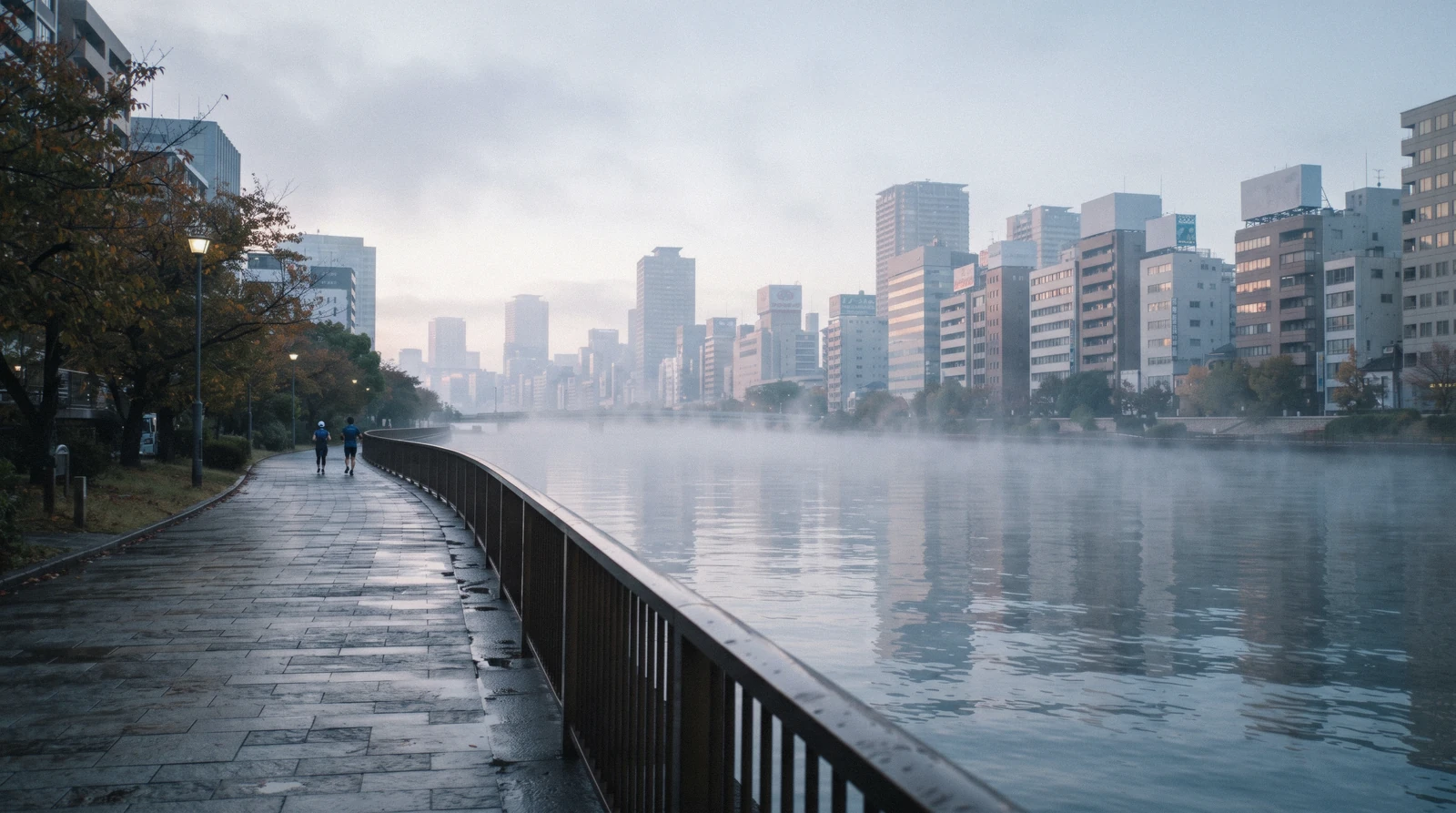
Osaka for Nothing: The Free Half of the City
The free things to do in Osaka are not the consolation prize here, they are most of the city: the neon canal everybody photographs, the temple where the gates never close, kilometres of covered market and arcade, a castle park you can walk end to end without a ticket. What this page adds to the usual list is sourcing. Every fee, opening hour and closed day below was read on the operator's own page, and where nobody publishes one — which happens more often in Osaka than you would expect — the page says so instead of guessing. That distinction matters: one of the city's most famous shrines publishes no admission fee anywhere, which is not the same statement as "free". Prices are in yen with a dollar gloss at ¥1,000 ≈ $6.27 (European Central Bank reference rate via frankfurter.dev). The paid half of the city sits on the tickets hub, the budget on Osaka costs, and the city itself on things to do in Osaka.
Quick answer What genuinely costs nothing, and the one place we refuse to call free
A full Osaka day can cost you nothing but transport. Shitennoji's gates are open 24 hours and worship from outside the halls is free — and its Central Precinct, normally $3.14 (¥500), opens free on the 21st and 22nd of every month and during the spring and autumn equinox services. Osaka Castle Park's grounds, moats and plum grove carry no stated fee, and only the keep at $7.52 (¥1,200) and Nishinomaru Garden at $1.88 (¥300) do. Dotonbori, Kuromon Ichiba, the arcades and Nakanoshima's riverside cost nothing at all. The one thing we will not call free is Sumiyoshi Taisha: the shrine publishes gate times and prayer fees but no admission fee anywhere, which is a different statement.
Key takeaways
- The cheapest paid thing on a free day is the ride between them — the Enjoy Eco Card is $3.89 (¥620) at weekends against $5.14 (¥820) on a weekday, and it carries a show-and-save discount at about twenty attractions
- Two roofed kilometres cost nothing and work in any weather: Tenjinbashisuji at about 2.6 km and Shinsaibashi-suji at about 580 m — the backbone of a rainy day as well as a free one
- The free-and-famous shortlist is small enough to walk in an evening: the canal, the market, the temple, the castle moat. A guided walk of the same ground is what to add when you want the stories with it
- Free does not mean unphotographed: the Umeda Sky Building's ground-level plaza and its lower atrium cost nothing, and only the rooftop observatory is ticketed
What Costs Nothing, With the Fee That Sits Next to It
Each row was read on the operator's or the city tourism bureau's own page in Q3 2026. The last column is the point of the table: at almost every free sight in Osaka there is a paid thing beside it, and knowing which is which is the difference between a free day and an accidental ¥4,000.
| Where | Costs nothing | Hours | The paid thing beside it |
|---|---|---|---|
| Shitennoji | The grounds; worship from outside the halls | Gates open 24 hours | Central Precinct ¥500, garden ¥300, treasure hall ¥500 |
| Osaka Castle Park | Grounds, moats, stone walls, the plum grove | Not published by the park operator | The keep ¥1,200; Nishinomaru Garden ¥300 |
| Dotonbori | The canal, the bridges, every sign on them | "Varies by store" | The river cruise, and dinner |
| Kuromon Ichiba | Walking about 580 m of covered market | "Varies by location" — no market-wide hours | Everything you will eat while walking it |
| Tenjinbashisuji | About 2.6 km of roofed arcade, about 800 shops | "Varies by shop" | Nothing — this is the free one |
| Shinsaibashi-suji | About 580 m of arcade into Dotonbori | "Varies by shop" | The department stores it runs past |
| Sumiyoshi Taisha | No admission fee is published — not the same as free | Gates 06:00 (Apr–Sep) / 06:30 (Oct–Mar), outer gates close 16:00 | Prayer and amulet fees, which are published |
| Nakanoshima | The riverside path along about 3 km of island | Open ground; museum hours differ | The museums: ¥430 at the National Museum of Art and up |
| Umeda Sky Building | The plaza and lower levels | Building hours | The Floating Garden observatory, ¥2,000 |
| Cup Noodles Museum Osaka Ikeda | Admission is free | 09:30–16:30, last admission 15:30, closed Tuesdays | Your own cup, ¥500 on a same-day numbered ticket |
Dollar glosses at ¥1,000 ≈ $6.27, ECB reference rate. Where a cell says a fee is not published, we checked the operator's own site and found none — see the sections below for what each of those absences means.
Shitennoji: Free Grounds, and Two Free Days a Month
The single best free hour in Osaka, with a date rule almost nobody prints.
Shitennoji is the temple Prince Shotoku founded, and its outer grounds are open 24 hours a day — the temple states plainly on its own admission page that because the gates never close, worship from outside the halls can be done at any time. Walking the precinct, the stone-paved courtyards and the turtle pond costs nothing at any hour of the day or night.
The Central Precinct — the walled inner compound with the five-storey pagoda and the golden hall — is the paid part at ¥500 for adults, ¥300 for high-school students and free for elementary and junior-high pupils and kindergarten children. It opens 08:30–16:00 from October to March and 08:30–16:30 from April to September. So far, so ordinary.
The rule that turns this into a free-day anchor is on the same page, and it is the kind of thing guidebooks skip because it needs a calendar: the Central Precinct is opened free on the 21st of every month (the Daishi-e), on the 22nd (the Taishi-e), and during the spring equinox services in March and the autumn equinox services in September. On those days the hours extend too — 08:00–17:00 in the April-to-September half, 08:00–16:30 from October to March, and 08:00–17:00 on 21 October specifically.
The 21st is also the temple's big monthly market day, when the grounds fill with stalls. If your dates include a 21st or a 22nd, that is the day to go: the whole temple is open, it costs nothing, and it is the liveliest the precinct gets all month. The temples and shrines hub puts it alongside the rest of the city's religious sites.
What Each Part of Shitennoji Costs, and When It Does Not
The temple publishes its whole tariff on one page, which is more than most of the sights in this guide manage. Fees read on the temple's own page; the free days apply to the Central Precinct only.
| Part of the temple | Adult | School age | Free when |
|---|---|---|---|
| Grounds and worship from outside the halls | Free | Free | Always — the gates are open 24 hours |
| Central Precinct (中心伽藍) | ¥500 | ¥300 high school; elementary and junior high free | The 21st and 22nd of each month, and the equinox services |
| Garden (本坊庭園) | ¥300 | ¥200 high school; ¥200 elementary and junior high | Kindergarten age |
| Treasure Hall | ¥500 | ¥300 high school; elementary and junior high free | Kindergarten age |
Osaka Castle Park, and the Website That Is Still a Template
The largest free space in central Osaka, and the reason we cannot print its hours.
You can walk into Osaka Castle Park from any side and get to the foot of the keep without buying anything. The outer and inner moats, the enormous Tokugawa-era stone walls — including the single largest stone in the castle, in the Sakuramon gate — the lawns and the plum grove east of the inner moat are all outside any ticket gate. The keep itself is $7.52 (¥1,200), open 09:00–18:00 with last admission at 17:30 and closed from 28 December to 1 January, and it takes no reservations at all: the castle says so on its own page.
The plum grove is the best free thing in the park and nobody sells a ticket for it: about 1.7 hectares east of the inner moat, about 1,245 trees of 105 varieties, opened in March 1974 after alumni of Osaka Prefectural Kitano High School donated 880 trees for the school's centenary. The operator publishes a live per-variety bloom tracker rather than season dates, so there is no "plum season" to quote — check the tracker in February.
Nishinomaru Garden is the paid lawn: 6.4 hectares, about half of it grass, about 300 cherry trees, mostly Somei-yoshino. Its admission rose from ¥200 to ¥300 on 1 April 2026, with ¥350 kept for the cherry-blossom evening season, and it is free for junior-high age and under, for Osaka-city residents aged 65 and over on proof, and for disability-certificate holders. It opens 09:00–17:00 from March to October and 09:00–16:30 from November to February, closed Mondays and 28 December to 4 January — and the operator notes that hours change during the cherry-viewing period without saying what they become.
Here is the honest part. The park operator's own website is still, in places, an unfinished template: its facility article for the garden renders Japanese Lorem-ipsum placeholder text in some content slots, and the home page shows `yyyy.mm.dd` date placeholders. That is why this page prints a fee for the garden but no opening hours for the park itself, and why we will not tell you the park is "open 24 hours" — that claim is everywhere online and nowhere official. Walk in and see; just do not plan a 03:00 visit on our word. For everything else in town that costs something, the free half of Osaka pairs naturally with the city's tours in Osaka when you want a guided layer on top of it.
Free Park, Paid Enclosures
Three enclosures inside one park, two of which sell tickets. Figures read on the castle's own page and the park operator's own pages; where a cell says not published, that is what the operator's site shows.
| Inside the park | Admission | Hours | Closed |
|---|---|---|---|
| Grounds, moats, stone walls | No fee | Not published by the park operator | Not published |
| The plum grove, about 1,245 trees | No fee stated | Not published | Not published |
| Nishinomaru Garden, 6.4 ha | ¥300 (¥350 blossom evenings) | 09:00–17:00 Mar–Oct, 09:00–16:30 Nov–Feb | Mondays, 28 December – 4 January |
| The keep (Tenshukaku) | ¥1,200 | 09:00–18:00, last admission 17:30 | 28 December – 1 January |
Sumiyoshi Taisha: Why We Never Write "Free"
A distinction that costs nothing to make and keeps the whole site honest.
Sumiyoshi Taisha is the head shrine of a network of some two thousand, its four main halls are national treasures in a building style older than Chinese influence on Japanese architecture, and the steep vermilion Sorihashi bridge over its pond is one of the most photographed objects in the city. Every list of free things in Osaka includes it.
The shrine publishes no admission fee anywhere on its own site. It publishes gate times in detail, and prayer fees, and no entry charge at all — and there is a difference between "there is no fee" and "no fee is published".
We write the second because it is what we can source. In practice you walk in, as at almost every Shinto shrine in Japan. But this site's rule is that a figure or a statement comes from the operator or is marked as absent, and "free" is a statement about money that the shrine itself has not made.
The same applies, more sharply, to Namba Yasaka Shrine and its enormous lion-head stage. Its own site — a 2013-era build covering deities, the tug-of-war rite and prayer bookings — publishes no opening hours, no closing time and no admission statement at all, and nothing whatsoever about the lion hall that draws the visitors. It prints an address and a telephone number, 06-6641-1149. Treat "free and open in daylight hours" as an assumption, and phone if it matters to your day.
The Times the Shrine Does Publish
All of these are on the shrine's own access page. There is no admission row because the shrine does not publish one.
| What | When | Note |
|---|---|---|
| Gates open | 06:00 April–September, 06:30 October–March | 06:00 year-round on the 1st of each month and on Hatsu-tatsu days |
| Outer gates close | 16:00, all year | The inner Migakiuchi precinct closes at 17:00 |
| Amulet office | 09:00–17:00 | Prayer reception 09:00–15:50 |
| Nankunsha and Tanekashisha | 09:00–16:00 | New Year and the Sumiyoshi Matsuri run different times |
The Streets Are the Attraction
Four walks that cost nothing and account for most of what people remember about Osaka.
Dotonbori after dark is the free centrepiece: the canal, Ebisubashi, and the three-dimensional signage — the crab, the theatre, the running man — that the tourism bureau describes collectively and never individually. Worth knowing before you plan a photograph: nothing official is published about the Glico sign at all, not its height, not which generation is up, not its lighting hours. Every figure you have read about it is somebody's blog. The name is better sourced: the canal was dug in 1612 by Doton Yasui, "who devoted his wealth to have this river excavated", and it carries his name.
Kuromon Ichiba is about 580 metres of covered market with roughly 150 stalls, first recorded as a fish market near Enmyoji temple in 1822–1823 and rebuilt after both the 1912 Great Namba Fire and the wartime air raids. Walking it is free; the difficulty is arriving at the right hour, because there is no market-wide opening time published anywhere and the association's own site was unreachable when we tried it. Mornings for the fish and fruit, lunchtime for the cooked counters.
Tenjinbashisuji is the long one — about 2.6 kilometres and about 800 shops, from Tenjinbashisuji 6-chome down to Osaka Tenmangu, the shrine it grew up around as a gate-town in the Edo period. It is the least touristed of the four and the best for an hour of ordinary Osaka: coffee shops, sandal shops, standing bars at four in the afternoon.
Shinsekai costs nothing to walk and rewards it: the district dates from the 5th National Industrial Exposition of 1903, and Janjan Yokocho is about 50 establishments over 130 metres of lane, with Billiken statues and pufferfish lanterns to photograph. Tsutenkaku above it is ticketed and now needs a timed slot; the streets under it do not.
The Parks and the Riverside
Nakanoshima is the free walk for a morning: an island about 3 kilometres long and about 50 hectares, between the Dojima and Tosabori rivers, lined with the Meiji-era civic architecture that made Osaka's reputation as a merchant city. The riverside paths and the park at its eastern end are open ground. A caution about a detail every list repeats: the tourism bureau's own Nakanoshima page names neither the individual museums nor the rose garden, and we found no operator page publishing the garden's own hours or planting figures — so this page mentions it as a place on the walk and prints no numbers for it.
Tennoji Park's lawn at the Tennoji end of the city is the other one: open lawn in front of the museum, with Tennoji Zoo at ¥800 and Abeno Harukas at ¥2,200 beside it if you decide to spend money after all. And the Umeda Sky Building plaza is the free version of Osaka's best view: you can walk into the base of the building and its lower levels for nothing, and pay ¥2,000 only for the open-air ring at the top.
Nearly Free: What a Discount Card Adds
Two published discount mechanisms that stretch a free day, and one that does not do what people think.
The transport is the only unavoidable cost of a free day in Osaka, and it has a published fix. The Enjoy Eco Card covers every Osaka Metro line and every Osaka City Bus route for one calendar day at $5.14 on a weekday and $3.89 at weekends and public holidays (¥820 / ¥620), with a flat ¥310 for children on any day. It also carries a show-and-save discount at about twenty Osaka attractions, valid on the printed day of use — which is the part most visitors never notice, and which turns a ¥600 museum into something less on a day you were riding anyway.
Two traps in the small print. The card does not cover Yumeshima station or the through-running private railways — Hankyu, Kita-Osaka Kyuko and Kintetsu trains run onto Metro track, and if you stay on past the boundary you settle the difference at the exit. And the weekend price follows the calendar, not the timetable: Obon and New Year run a holiday timetable but still sell the weekday card.
The passes that are not the answer for a free day are the sightseeing ones, and it is worth saying why. The Osaka Amazing Pass is ¥3,500 for one day or ¥5,000 for two, and its value is 41 free admissions — a proposition for a day spent inside paid attractions, which is the opposite of this page. The Osaka e-Pass at ¥2,000 is entries only with no transport at all. If your day is free sights plus subway rides, the ¥620 or ¥820 card wins by a distance; getting around Osaka does the full comparison, and Osaka costs puts it in a day's budget.
The Three Cards, Side by Side
Prices from each pass's own page. The right-hand column is the test that matters on a free day: what the card does for someone who is not buying admissions.
| Card | Price | What it covers | On a free day |
|---|---|---|---|
| Enjoy Eco Card | ¥820 weekday / ¥620 weekend, child ¥310 | All Osaka Metro and Osaka City Bus for one calendar day | The one to buy — plus a show-and-save discount at about twenty attractions |
| Osaka Amazing Pass | ¥3,500 one day / ¥5,000 two days | Transport plus 41 free admissions | Wasted — its value is the admissions you are not buying |
| Osaka e-Pass | ¥2,000 one day / ¥2,500 two days | Entries at more than 25 facilities, no transport at all | Wasted, and it does not even cover the fares |
A Free Day, Built
One route, walked in the order that works, with the paid decisions marked.
Morning. Start at Shitennoji — the gates are open whatever time you arrive, and if it is the 21st or 22nd the Central Precinct is open free as well. Walk twenty minutes north-west into Shinsekai for Janjan Yokocho and the Billiken statues, all of it free to look at, kushikatsu if you are hungry.
Midday. Metro to Nippombashi for Kuromon Ichiba — free to walk, dangerous to walk hungry — and on foot into Dotonbori and up Shinsaibashi-suji, which is roofed if the weather has turned. That is about ninety minutes of free city in one line.
Afternoon. Metro to Tanimachi 4-chome for Osaka Castle Park: the moats, the walls and the plum grove cost nothing, and the ¥1,200 keep is the day's one obvious upgrade. Or stay north and walk Nakanoshima instead, ending at the Umeda Sky Building's plaza.
Evening. Back to Dotonbori for the signs at night, which is the free photograph everyone comes for. Total spend: one Enjoy Eco Card at ¥620 or ¥820, plus whatever you eat.
The honest limit of a free day here is that Osaka's food is the reason to be in Osaka, and none of it is free. The city calls itself kuidaore — eating yourself into ruin — and the two dishes it is known for are cheap rather than free: our where to eat page explains why no takoyaki or okonomiyaki shop is named on this site, which is a sourcing rule rather than an oversight. If you would rather have the walking with the stories attached, a guided city walk covers the same ground as the morning above, and a street-food tour of Shinsekai turns the free lane into the paid version.
What to Add When You Decide to Spend Something
The paid version of the same ground, for the half-day when free stops being the point: guided walks over the free districts, the cheapest ticketed things in the city, and the canal from the water. Prices are GetYourGuide's own listings in US dollars, and they move with the platform; the figure at checkout is the one that counts.
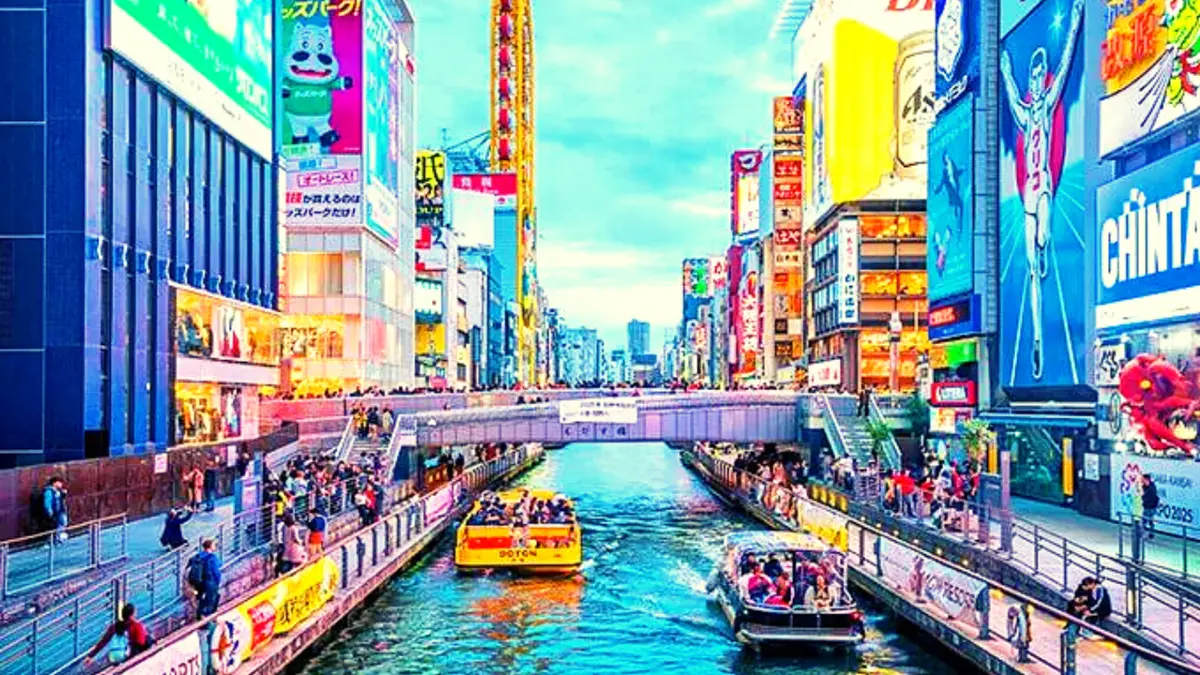 from $35.71
Osaka: Private or Group Hotspots & Hidden Gems Walking Tour
A three-hour walk that stretches to seven if you want it to, private or shared, with a takoyaki and a retro vending-machine drink included. The longer options use trains, which you pay for — usually under ¥1,000 a head.
Check Availability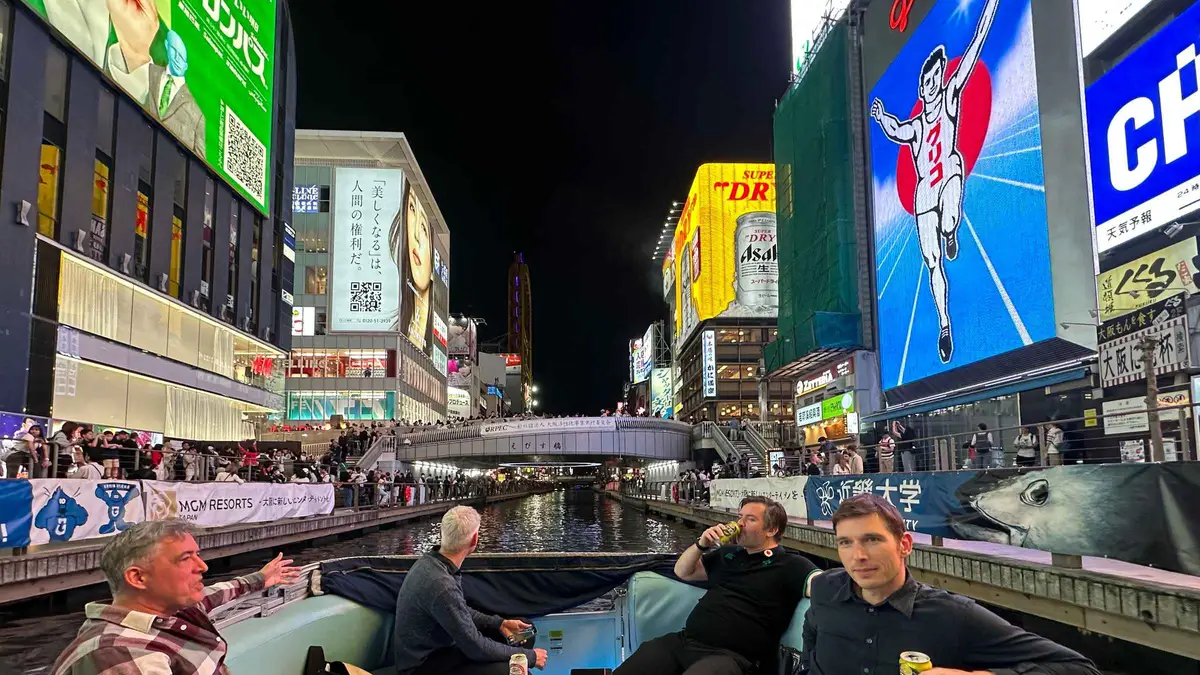 from $12.49
Osaka: Dotonbori River Cruise with Glico Sign & Neon Views
Twenty minutes on the water past the Glico sign, boarding at Minatomachi Pier rather than the Tombori River Walk, and you may bring your own drinks. The rival Tombori River Cruise is free with the Osaka Amazing Pass; this boat is not.
Check Availability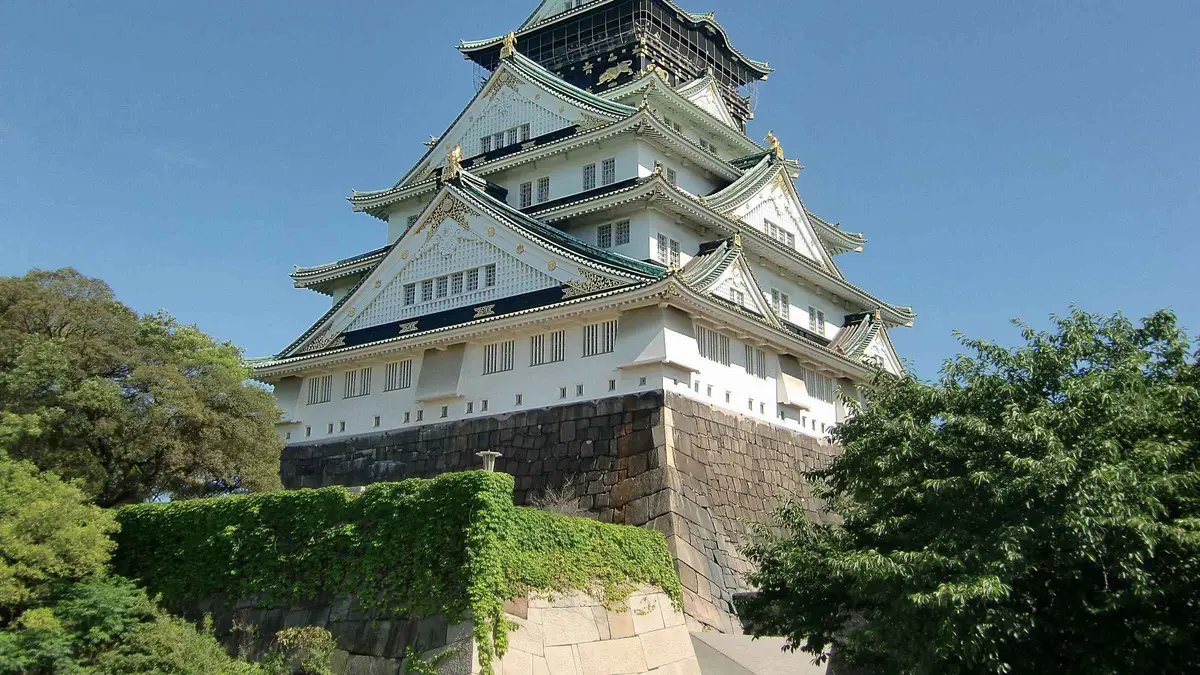 from $7.49
Cheapest way in
from $7.49
Cheapest way in
Osaka Castle: Museum and Tower Entry Ticket
The keep's own admission plus the Toyotomi Ishigaki Museum on one QR code, for roughly what the keep alone costs at the gate (¥1,200). The castle takes no reservations, so this saves the booth queue rather than securing a time slot.
Check Availability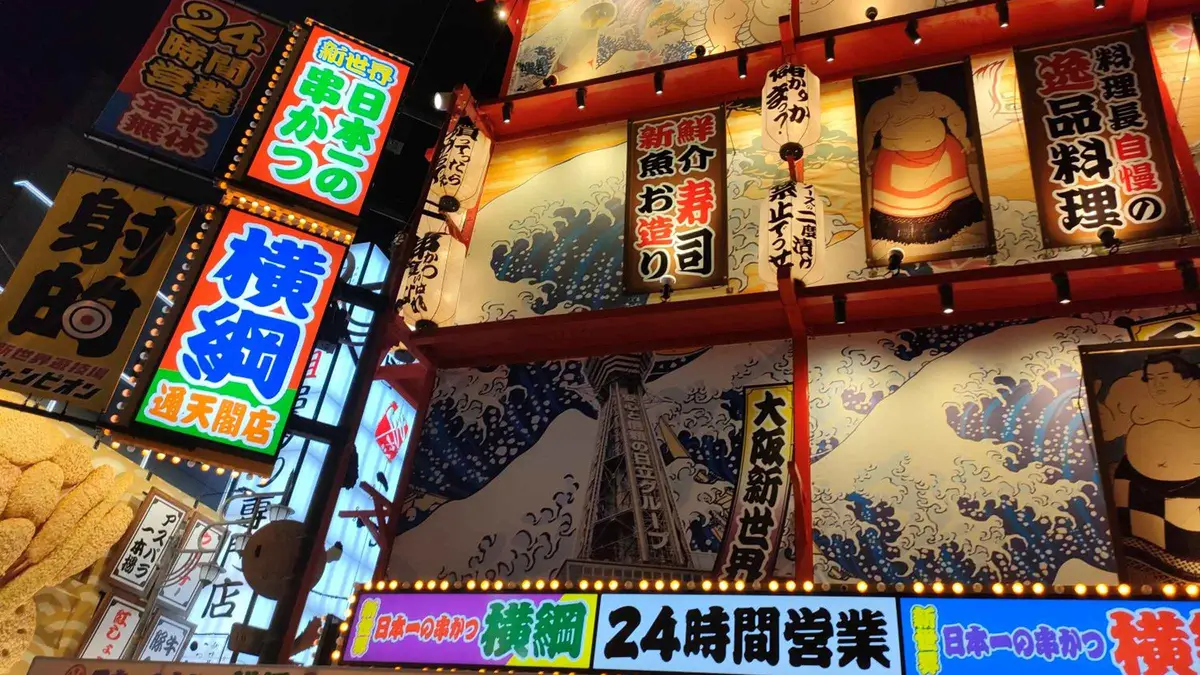 from $69.79
Hungry Osaka Street Food Tour Shinsekai: 15 Tastings 3 Drinks
Fifteen tastings and three drinks across an izakaya, a stall, a standing bar and two restaurants in Shinsekai, over three hours. The best rated of the big evening food walks; getting there and home afterwards is your own affair.
Check Availability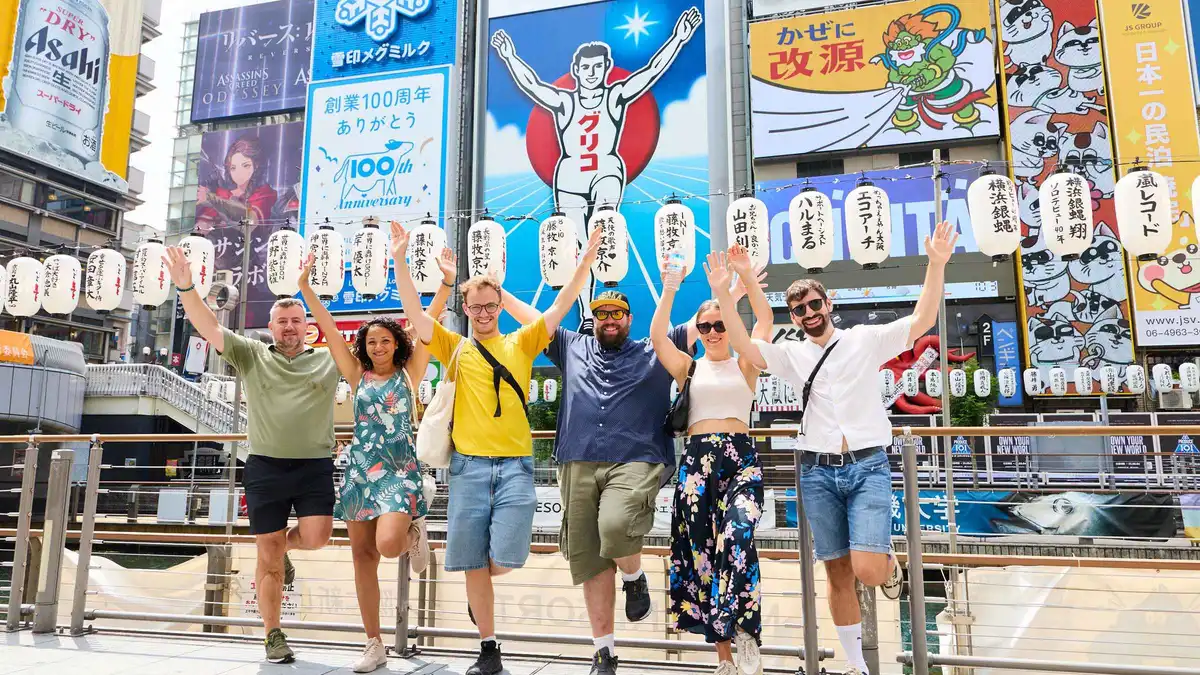 from $17.48
Osaka Walking Tour: Dotonbori, Kuromon Market & Street Food
Two and a half hours from Shinsaibashi through Hozen-ji, Kuromon Market and Den Den Town with a licensed guide and some food included. Cheap for a guided walk, but only 23 people have rated it so far.
Check Availability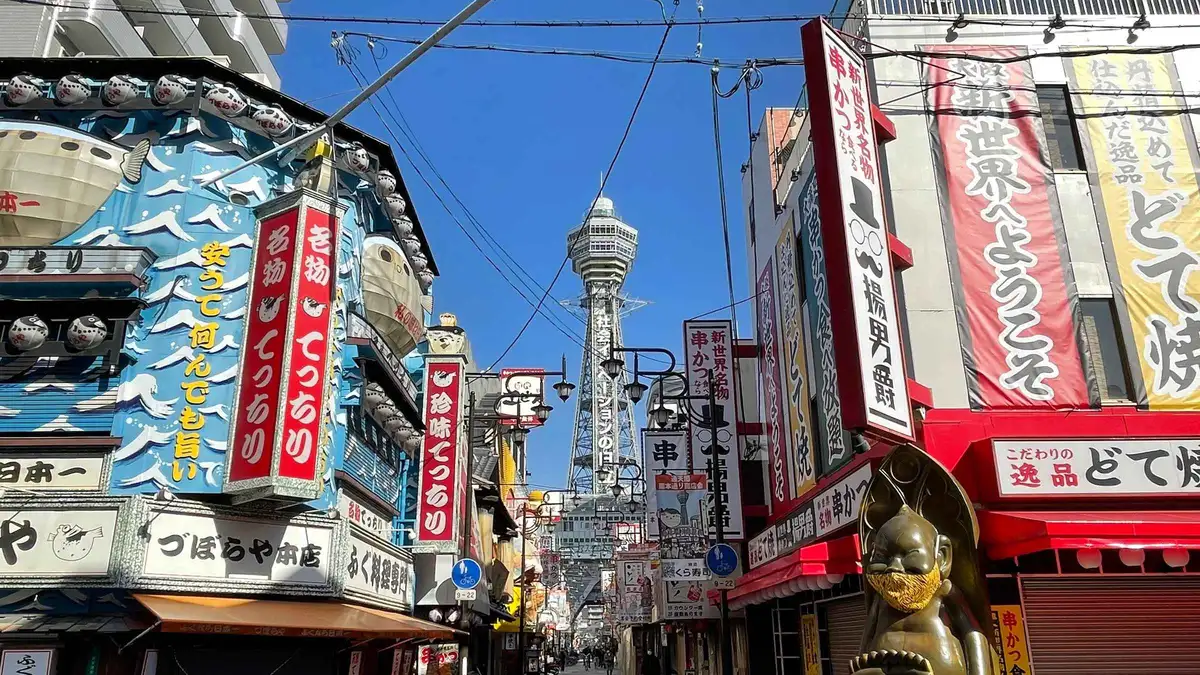 from $6.87
Official ticket
from $6.87
Official ticket
Osaka: Tsutenkaku Tower Experience Ticket
Options run from the 87.5-metre general deck up to the all-in ticket with the outdoor deck, the Tower Slider and Dive & Walk. The tower now requires a timed reservation for every ticket, pass holders included, so booking a slot is the point.
Check AvailabilityPrices, ratings and details are the platform's own. Dollar figures are the listed prices. The platform bills in your account's currency.
Where to Go Next
Three pages that carry the money side of this one.
What Osaka costs
A day here priced honestly — transport, admissions, the lodging tax bands and what the free half saves you.
The budgetThe Osaka Amazing Pass
41 free admissions for ¥3,500 — the arithmetic for the day that is the opposite of a free one.
The passA rainy day in Osaka
The same arcades and underground, re-sorted for the day the free walking plan gets rained on.
The weatherFree Osaka: The Questions
Can you see the castle and its park without paying?
Yes — the park, the moats, the enormous stone walls and the plum grove are all outside any ticket gate, and you can walk to the foot of the keep for nothing. What costs money is going inside: the keep is ¥1,200 with last admission at 17:30, and Nishinomaru Garden, the lawn with about 300 cherry trees, is ¥300 since 1 April 2026 (¥350 for the blossom evenings). The park operator's own site is still an unfinished template in places, which is why we print a fee for the garden but no hours for the park.
What is genuinely free in Osaka?
Shitennoji's grounds, with the gates open 24 hours and the Central Precinct free on the 21st and 22nd of each month and at the equinox services. Osaka Castle Park's grounds and plum grove. Dotonbori, Kuromon Ichiba, Shinsekai's lanes, and the arcades at Tenjinbashisuji and Shinsaibashi-suji. Nakanoshima's riverside and Tennoji Park's lawn. And one whole museum: the Cup Noodles Museum in Ikeda charges nothing to enter, 09:30–16:30, closed Tuesdays.
Which famous shrine here publishes no admission fee?
No admission fee is published — which is what this site writes, rather than "free". The shrine's own pages give gate times in detail (06:00 from April to September, 06:30 from October to March; outer gates close 16:00, the inner precinct 17:00) and publish prayer and amulet fees, but they never state an entry charge in either direction. In practice you walk in, as at most Shinto shrines. Namba Yasaka Shrine is the sharper case: its site publishes no fee, no hours and nothing at all about the lion-head hall.
What can you do for free in Osaka when it rains?
Walk under a roof. Tenjinbashisuji is about 2.6 kilometres of covered arcade with about 800 shops, Shinsaibashi-suji about 580 metres of it into Dotonbori, and Kuromon Ichiba another 580 metres of covered market. The underground malls beneath Umeda and Namba add several more dry kilometres, though no operator publishes a length for them. The rainy day page sorts the rest of the city by opening hours and closed days.
Does any Osaka pass make the free sights cheaper?
The free sights are already free; what a pass changes is the travel between them. The Enjoy Eco Card covers all Metro and City Bus routes for a calendar day at ¥820 on a weekday and ¥620 at weekends and holidays, and carries a show-and-save discount at about twenty attractions on the day it is used. The sightseeing passes are for the opposite kind of day: the Osaka Amazing Pass is ¥3,500 for 41 free admissions, and the e-Pass ¥2,000 for entries with no transport at all.
How much does a day of free sightseeing in Osaka actually cost?
The floor is one Enjoy Eco Card — ¥620 at a weekend, ¥820 on a weekday — plus food. Single Metro fares run ¥190 to ¥390 by zone, so four rides in a day already beat the card at the weekend price. Beyond that the only unavoidable spend is eating, which in Osaka is the point rather than the overhead; Osaka costs breaks a day down properly, including the lodging tax bands that changed on 1 September 2025.
The Free City on Film
Three videos built around the no-cost half of Osaka — each id checked against YouTube's own record. They load only when you press play.
10 FREE Things To Do in Osaka, Japan (That Locals Secretly Love)
Ten free stops in the city, most of them on the list this page keeps.
Video: PlanmyweekendOsaka Budget Trip Itinerary (Free & Cheap Things To Do in Osaka, Japan)
A whole day assembled from free and cheap ground, transport included.
Video: Trip MoitoTop 7 FREE or CHEAP Things to Do in OSAKA & KYOTO, Japan • ENGLISH • The Poor Traveler
The free and cheap version stretched across Osaka and Kyoto, for anyone doing both.
Video: THE POOR TRAVELER ®Videos load from YouTube only when you press play.
Prices, hours and terms are set by the venue or operator and confirmed at checkout.
We may earn a commission if you book through one of our links, at no extra cost to you. Full affiliate disclosure