 Osaka City Guide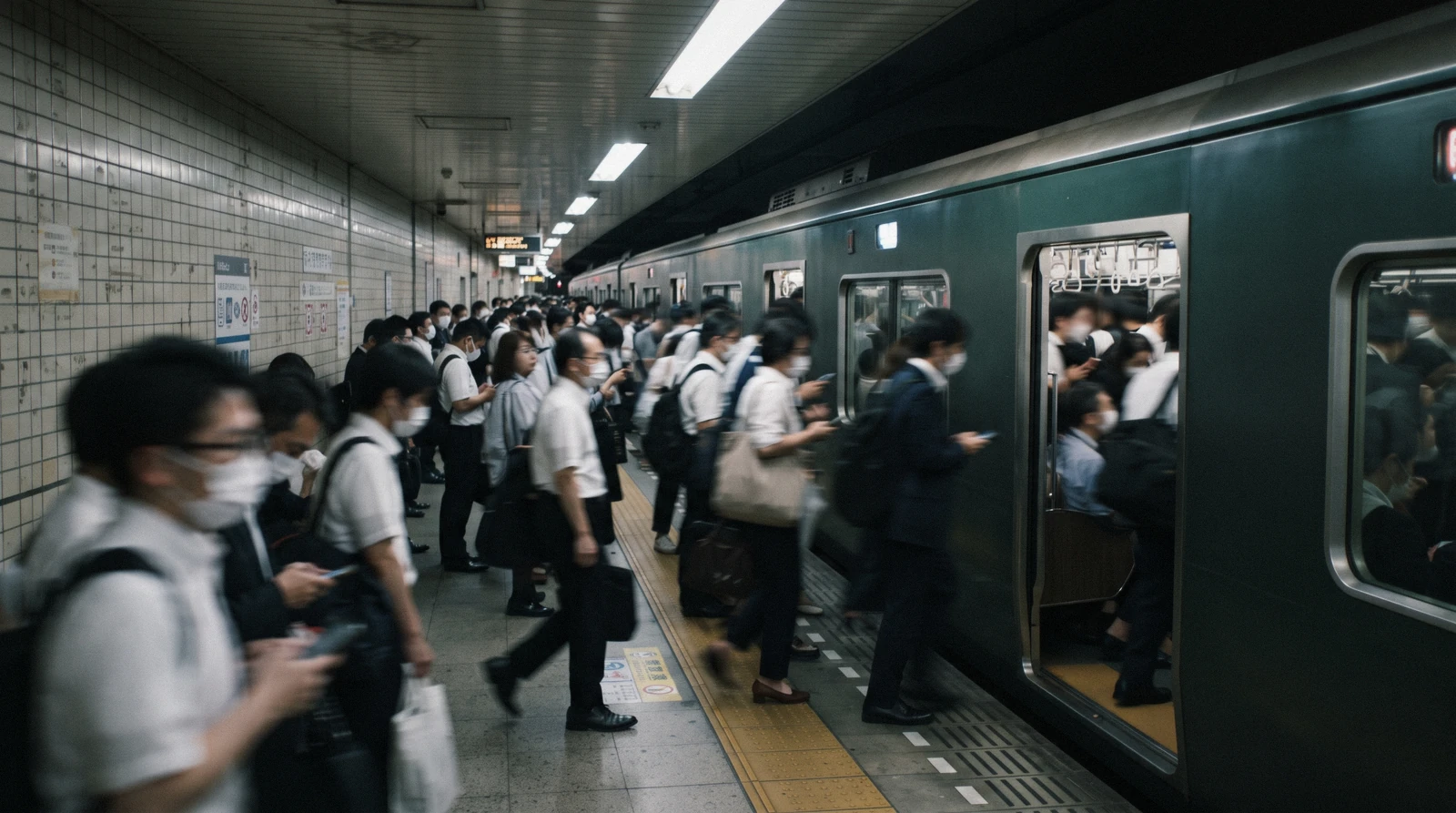
Getting Around Osaka
Getting around Osaka is a subway problem with five private railways stitched onto the edges of it, and almost every part of it is published — fares by zone, a day card whose price changes at the weekend, an IC card that works on every operator in the region. What is not published, or is published twice with different answers, is where visitors lose money: the day card that quietly stops at the boundary of a through-running private line, the regional pass that was renamed and lost its buses in April 2026, and the station wifi that the city's own visitor page still advertises three years after it was switched off. This page sets out the fares, the four passes worth comparing, the card to buy in the arrivals hall, and the traps in each. Yen figures come from the operators' own pages; dollar glosses are approximations at ¥1,000 ≈ $6.27 (European Central Bank reference rate via frankfurter.dev). Arrival from the airport has its own page, what a day adds up to is on the Osaka costs page, and the city itself starts with things to do in Osaka.
Quick answer What to tap, what to buy, and the two passes that changed — in five lines
Osaka Metro charges by zone: $1.19 up to 3 km, then $1.50, $1.82, $2.13 and $2.45 above 19 km (¥190 · ¥240 · ¥290 · ¥340 · ¥390). The Enjoy Eco Card gives a calendar day of unlimited Metro and Osaka City Bus travel for $5.14 on a weekday and $3.89 on a Saturday, Sunday or public holiday (¥820 / ¥620). An ICOCA costs $12.54 (¥2,000) including a ¥500 deposit, is sold for cash only, and works on Hankyu, Hanshin, Keihan, Kintetsu, Nankai, the Metro and the buses — one card for every operator in this guide. All three figures are the operators' own.
Key takeaways
- Buy the card, not the tickets: an ICOCA works on every operator in the region and in the convenience stores, and it is the one purchase to make in the arrivals hall
- The day card is cheaper at the weekend than on a weekday — the only pass in the city priced that way, and the arithmetic changes with it
- It does not cover everything: Yumeshima station, some City Bus routes and the through-running private lines are all outside it, and you settle the difference at the exit gate
- If your day is built around entries rather than rides, the Osaka Amazing Pass is the other product to price — it bundles transport with 41 attractions and we compare it there, not here
- Coming in from the airport? None of this reaches Kansai; the airport routes are priced separately, and a shared airport transfer skips the question entirely
The four products worth comparing
Every price here is the operator's own, read on in Q3 2026, with the dollar figure converted at ¥1,000 ≈ $6.27. The right-hand column is the reason to buy each one rather than the next — and the reason not to, where there is one.
| Product | Price | Covers | Does not cover | Buy it when |
|---|---|---|---|---|
| Enjoy Eco Card, 1 day | $5.14 weekday · $3.89 weekend and holidays (¥820 / ¥620); child $1.94 (¥310) either way | All Osaka Metro lines, the New Tram and all Osaka City Bus routes for one calendar day | Yumeshima station, the IKEA Tsuruhama bus and some other City Bus routes, on-demand buses, and the through-running Hankyu, Kita-Osaka Kyuko and Kintetsu trains past the Metro boundary | You will make four or more Metro trips in a day, or two long ones |
| ICOCA (or any mutual-use IC card) | $12.54 including a ¥500 refundable deposit (¥2,000), cash only | Metro, city buses, JR West, Hankyu, Hanshin, Keihan, Kintetsu and Nankai — the whole PiTaPa mutual-use area | The Shinkansen, single journeys over 200 operating km, and fare adjustments — you cannot settle a difference with the card itself | Always. It is the default, and everything below is a top-up on it |
| KANSAI RAILWAY PASS LITE | $32.60 for 2 days · $40.80 for 3 (¥5,200 / ¥6,500) | The Metro and the private railways across Kansai — Osaka, Kyoto, Nara, Kobe, Himeji, Wakayama | JR, the Kyoto Municipal Subway, Keihan's Otsu lines, the Randen and every bus. Reserved limited-express seats cost extra | You are hopping between Kansai cities on private lines and not using JR |
| JR Kansai Area Pass | $17.56 · $30.10 · $36.40 · $43.90 for 1 to 4 consecutive days (¥2,800 · ¥4,800 · ¥5,800 · ¥7,000); child half | Unlimited JR in the Osaka–Kyoto–Kobe–Nara–Himeji–Wakayama area, including a reserved seat on the airport HARUKA | The Shinkansen, other limited expresses, paid seating such as A-Seat, and expressway buses | Your trip is JR-shaped: the airport, then Nara, Kobe or Himeji on consecutive days |
| Osaka Amazing Pass | Priced on its own page, where the two official sources disagree | City transport plus one free entry at each of 41 attractions | Kansai Airport in either direction, Universal Studios Japan and the aquarium | Your day is a list of paid entries rather than a list of rides |
The honest summary: an IC card, plus a day card on the two busiest days, beats every combination for most three-day visits, and the regional passes only pay when the trip leaves the city on consecutive days. Note what the table cannot show — the Kansai Railway Pass Lite is a downgrade on the product it replaced, because buses were the old Kansai Thru Pass's headline feature and are gone from this one.
The Metro, and how the fare is worked out
Eight subway lines and the New Tram, priced by distance band rather than by stop count, and the busiest of them is the one you will use most.
Osaka Metro does not charge a flat fare. It charges by zone, and the zone is decided by the shortest route between the station you tap in at and the station you tap out at — not by the route you actually rode. In practice almost every trip a visitor makes inside the ring of sights falls in the first or second band, which is why the day card takes four journeys to pay for itself rather than three.
The line to learn is the Midosuji, red on every map, running north to south through Shin-Osaka, Umeda, Shinsaibashi, Namba and Tennoji — which is to say through almost everything on this site. The Chuo line runs west to the bay, the Sakaisuji line drops you at Ebisucho for Shinsekai and the Tanimachi line at Tanimachi 4-chome for Osaka Castle. Trains are frequent enough that no timetable is worth reading.
One figure on the operator's own fare table confuses people every time: the ¥10 in brackets against most bands is the railway-station barrier-free surcharge, already inside the fare, not something added at the gate. The fares below are what you actually pay.
| Zone | Distance | Adult | Child | In practice |
|---|---|---|---|---|
| 1 | Up to 3 km | $1.19 (¥190) | ¥100 | Namba to Shinsaibashi, Umeda to Yodoyabashi — one or two stops |
| 2 | Over 3 km to 7 km | $1.50 (¥240) | ¥120 | Umeda to Namba, Namba to Tanimachi 4-chome for the castle |
| 3 | Over 7 km to 13 km | $1.82 (¥290) | ¥150 | Umeda to Tennoji, most cross-city hops |
| 4 | Over 13 km to 19 km | $2.13 (¥340) | ¥170 | The outer ends of the Midosuji and Tanimachi lines |
| 5 | Over 19 km | $2.45 (¥390) | ¥200 | Senri-Chuo and beyond, or Sumiyoshi Taisha and back in one run |
Lifts, gates and the fare-adjustment machine
Two practical notes the fare table does not carry. Every one of the 134 Metro and New Tram stations has a lift, a step-free route from street to platform and platform screen doors or movable barriers — which means a suitcase or a pushchair is never a stairs problem here. And if you need help boarding, the operator's instruction is to tell the staff at the ticket gate on the day: there is no advance booking system, and you may wait a few minutes if the station is busy.
- Tap in and tap out with an IC card and the zone is worked out for you — no ticket to buy, no fare table to read
- Paying cash means reading the fare map above the machine before you buy; the machines have an English button
- Ride past the zone you paid for and the fare-adjustment machine before the exit gate takes the difference — this is normal, not a penalty
- Mobile phone coverage reaches every subway station and the tunnels between them, so a map app keeps working underground
The Enjoy Eco Card, and the three things it will not do
The city's own day ticket: unlimited Metro and city buses, and the only pass in Osaka that is cheaper at the weekend than on a Tuesday.
The Enjoy Eco Card buys one calendar day — not 24 hours — of unlimited travel on every Osaka Metro line, the New Tram and every Osaka City Bus route. It costs $5.14 on a weekday and $3.89 on a Saturday, Sunday or public holiday (¥820 / ¥620); the child card is ¥310 whichever day it is. At weekday prices that is four short hops in the first fare band, or roughly three ordinary cross-city hops, before it starts saving you money — which a day of Osaka Castle, the bay and dinner in Dotonbori clears comfortably and a walking day in Minami does not.
The weekend price follows the calendar, not the timetable: Obon and the New Year run holiday timetables but still sell the weekday card.
There is no expiry on an unused card, so buying one the night before is fine: the date prints when you first pass a gate. An unused card can be refunded for a ¥220 fee; a used one cannot. And the cards bought before the barrier-free surcharge began on 1 April 2023, at ¥800 and ¥600, are still honoured with no top-up — if a friend hands you one from an old trip, it works.
What it does not cover
This is where a cheap day card becomes an awkward conversation at an exit gate. The card is not valid at Yumeshima, the Expo-site terminus on the Chuo line. It excludes the IKEA Tsuruhama bus and certain other City Bus routes named in the carriage rules, and every on-demand bus service.
The trap that catches visitors, though, is the through-running private railways. Hankyu, Kita-Osaka Kyuko and Kintetsu trains run onto Metro track and out the other side without you changing seats — and the card stops at the Metro boundary. Ride past it and you settle the difference at the exit. Nothing goes wrong beyond a queue at the fare-adjustment machine, but it is not the free ride the map suggests.
One bonus worth using: the card carries a show-and-save discount at about twenty Osaka attractions, valid only on the day printed on the card — not a sightseeing pass, but a few hundred yen off entries that are already cheap.
ICOCA: the card, the phone, and the two doors that only open one way
One card for the Metro, the buses, JR and all five private railways — plus the parts of it that are irreversible.
An ICOCA is JR West's stored-value card and the single most useful thing to buy on arrival. It costs $12.54 including a ¥500 refundable deposit (¥2,000), so ¥1,500 of that is travel money; the machines also sell ¥1,000, ¥3,000, ¥5,000 and ¥10,000 versions, each including the same deposit. Credit cards are not accepted for the purchase — it is cash only, which surprises people at the end of a long flight. Buy it at a Midori-no-Madoguchi ticket office inside the ICOCA area or from any ICOCA-marked ticket machine.
There is also a visitor edition sold on production of a passport with Temporary Visitor status, one per person, at ¥2,000 including the deposit — and it is sold only at the JR Ticket Office in Kansai-Airport Station, which is the argument for buying your card before you leave the airport building.
One widely repeated claim to put down: JR West is not rationing physical cards. The ICOCA site carries no suspension notice at all — the 2023 unpersonalised-card freeze everyone remembers was JR East's Suica and PASMO, in Tokyo, and it never applied here. The one withdrawal on the notice list is SMART ICOCA, whose sales ended in an announcement dated 19 September 2024.
| Item | Figure | Note |
|---|---|---|
| Card price | $12.54 (¥2,000) | Includes the ¥500 deposit, so ¥1,500 is spendable |
| Deposit | ¥500 | Returned when you refund the card |
| Payment for the card | Cash only | Credit cards are not accepted for the purchase itself |
| Visitor edition | ¥2,000, one per person | Passport with Temporary Visitor status; sold only at the JR Ticket Office in Kansai-Airport Station |
| First top-up in Apple Wallet | ¥1,000 minimum | Then ¥100 minimum, in ¥1 steps |
Where the card actually works
JR West names the PiTaPa mutual-use area — Hankyu, Hanshin, Osaka Metro, Keihan, Kintetsu, Nankai and the buses. That is every operator named anywhere on this site, which is the whole reason to carry one card rather than four paper tickets.
Three limits bite. In PiTaPa territory you must top up before boarding: no post-pay, no PiTaPa discount fare, and you cannot buy a ticket or settle a fare adjustment with the card. Inside the ICOCA area, no single journey may exceed 200 operating kilometres (the Osaka suburban zone is exempt), and the card is not valid on the Shinkansen — the Himeji day trip by bullet train needs a separate ticket. Support, if a gate eats it: 0570-039-666, 09:00 to 18:00, year-round.
The phone version, and the trap inside it
ICOCA in Apple Wallet works with an overseas-issued card, in as many words. JR West's own English page states that you need a card issued by a credit-card issuer in a country or region that supports Apple Pay — Visa, Mastercard, JCB and American Express, in the holder's own name — and publishes no residency condition at all. It has been live since 27 June 2023. Issue it inside Wallet (+ → transit card → ICOCA) or in the ICOCA app; you need an iPhone 8 or later on iOS 16.0, or an Apple Watch Series 3 on watchOS 8.7.1.
There is no Google Wallet ICOCA. Android needs モバイルICOCA for Android, which wants Android 10 or later as shipped plus the Osaifu-Keitai app — in practice, a handset bought in Japan. An Android visitor buys the plastic card.
Two one-way doors: moving a plastic ICOCA into Apple Wallet is irreversible — the plastic card is destroyed in the process and the ICOCA number changes — and a Wallet ICOCA cannot be refunded. If you want your ¥500 deposit and your leftover balance back at the end of the trip, keep the card plastic.
The regional passes, and the one that was renamed
Two products cover the rest of Kansai, they cover opposite railways, and one of them lost its best feature this year.
If you search for a Kansai pass you will still be sent to the Kansai Thru Pass. That product no longer exists. Since 1 April 2026 it is the digital KANSAI RAILWAY PASS LITE: $32.60 for two days and $40.80 for three (¥5,200 / ¥6,500), sold 25 March to 30 September 2026, in force from 1 April 2026 and needing activation by 30 September. It is a QR code on a phone, and screenshots of the QR are not accepted.
What it covers is the Metro and the private railways across Kansai. What it does not cover is the list that matters: JR, the Kyoto Municipal Subway, Keihan's Otsu lines, the Randen — and every bus. The buses were the old Thru Pass's headline feature, so anyone planning to see Kyoto's temples by bus with this pass is planning around a product that changed under them. Reserved seats on Kintetsu, Nankai, Keihan and Hankyu limited expresses cost extra on top. Like the city pass, its "day" runs 03:00 to 02:59.
The JR Kansai Area Pass is the mirror image: JR only, and therefore useful for exactly the journeys the Lite pass refuses. It runs ¥2,800, ¥4,800, ¥5,800 and ¥7,000 for one to four consecutive days, child half, and it includes a reserved seat on the airport HARUKA — which is why an arrival day is the natural first day of it.
| Pass | 1 day | 2 days | 3 days | 4 days |
|---|---|---|---|---|
| JR Kansai Area Pass, adult | ¥2,800 | ¥4,800 | ¥5,800 | ¥7,000 |
| JR Kansai Area Pass, child | ¥1,400 | ¥2,400 | ¥2,900 | ¥3,500 |
| KANSAI RAILWAY PASS LITE, adult | — | ¥5,200 | ¥6,500 | — |
The small print on the JR pass
Read the JR pass's small print before you buy it as an airport ticket. It covers HARUKA and nothing else with a supplement — no Shinkansen, no other limited-express seats, no A-Seat on the Special Rapid. Days are consecutive and run midnight to midnight rather than as 24-hour blocks; a refund is the price minus 10 per cent with a ¥220 minimum, and the pass ships with vouchers for the Kyoto City Subway, Keihan and Hankyu that all have to come back together for that refund to happen.
Our own reading of the two: if you are staying in Osaka and taking one or two day trips, buy neither. Singles are cheap enough — the fares out of the city are in the table below — and a pass only starts winning on three consecutive days of real distance.
Leaving the city: which operator for which destination
Four destinations, three or four ways each, and the cheapest is rarely the one the search engine offers first.
Osaka is the hub of a dense private-railway network, and for most day trips the private line is cheaper than JR while JR is faster. The exception is Himeji, where JR is the only sensible answer.
Fares below are adult one-way, from JR West's own fare-and-time engine and each private operator's published tables. Times are weekday midday departures. Note the two that surprise people: leaving for Nara from JR-Namba costs ¥260 less than leaving from Osaka Station, and Kintetsu's limited express to Nara buys three minutes over the free Express for ¥520.
| Destination | Operator and service | Fare | Time | Note |
|---|---|---|---|---|
| Kyoto | JR Special Rapid, Osaka → Kyoto | $3.64 (¥580) | 29 min | No change; the fastest without a Shinkansen ticket |
| Kyoto | Hankyu Limited Express, Osaka-umeda → Kyoto-kawaramachi | $2.57 (¥410) | 43 min | Cheaper, and lands in the middle of town rather than at the station |
| Nara | Kintetsu Express, Osaka-Namba → Kintetsu-Nara | $4.26 (¥680) | 38 min | The limited express adds ¥520 and saves three minutes |
| Nara | JR Yamatoji Rapid, Osaka → Nara | $5.27 (¥840) | 50 min | From JR-Namba it is ¥580 with one change at Tennoji |
| Kobe | Hankyu or Hanshin Limited Express, Osaka-umeda → Kobe-sannomiya | $2.07 (¥330) | 27–31 min | JR is ¥420 and six to ten minutes quicker |
| Himeji | JR Special Rapid, Osaka → Himeji | $9.15 (¥1,460) | 62 min | The Shinkansen from Shin-Osaka saves 33 minutes and costs ¥1,760 more |
| Minoh Falls | Hankyu, Osaka-umeda → Minoo | $1.76 (¥280) | 26 min | One change at Ishibashi-handai, then a 2.7 km walk with no admission fee |
Two of those rows explain the pass arithmetic better than any break-even table. A Kyoto and a Kobe day on Hankyu costs ¥1,480 in fares all in — less than a third of the two-day Kansai Railway Pass Lite. And the Koyasan World Heritage Ticket from Namba, at ¥4,210 including a round trip and two days of Nankai mountain buses, is the one regional product on this list we would buy without hesitating.
When you would rather not work any of this out
Two airport transfers and two guided city walks that take the transport decision off your hands on the day it matters most. Prices are GetYourGuide's own USD listings; the operator charges in your currency at checkout.
 from $15.98
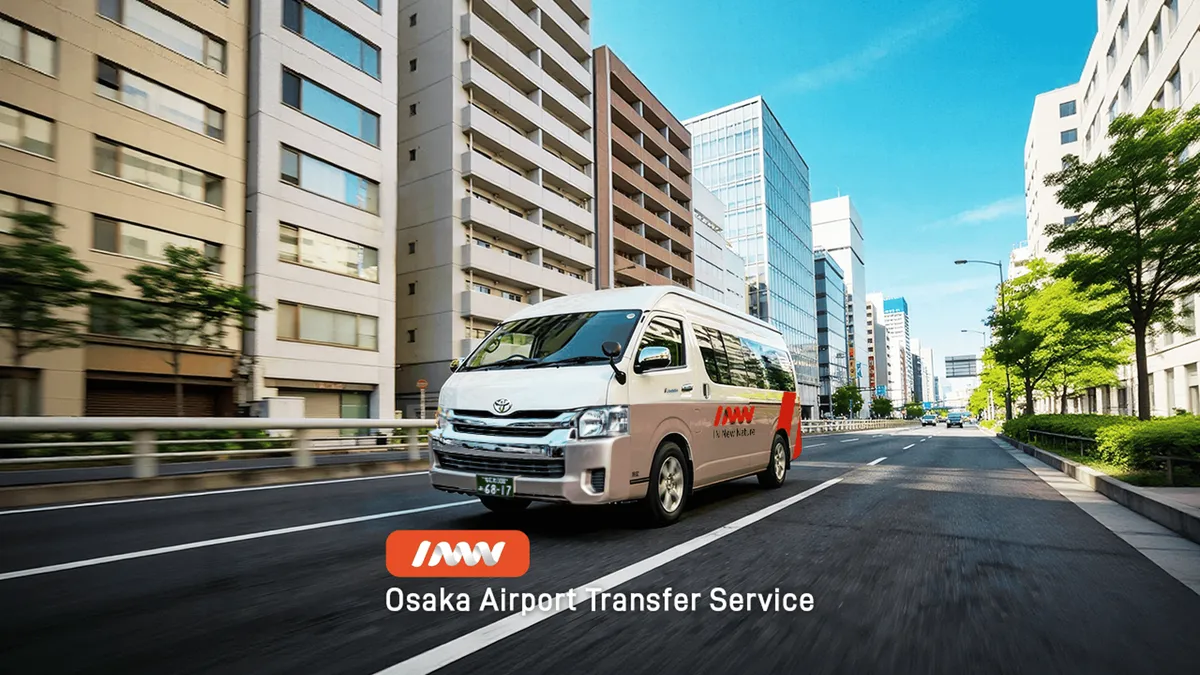
Osaka: Kansai Airport Shared Transfer Early Bird Reservation
A scheduled shared shuttle between Kansai Airport and 24 districts of the city, booked ahead and boarded with a QR code, tolls included. Cheaper than a taxi and closer to your door than the train, at the cost of a fixed departure time.
Check Availability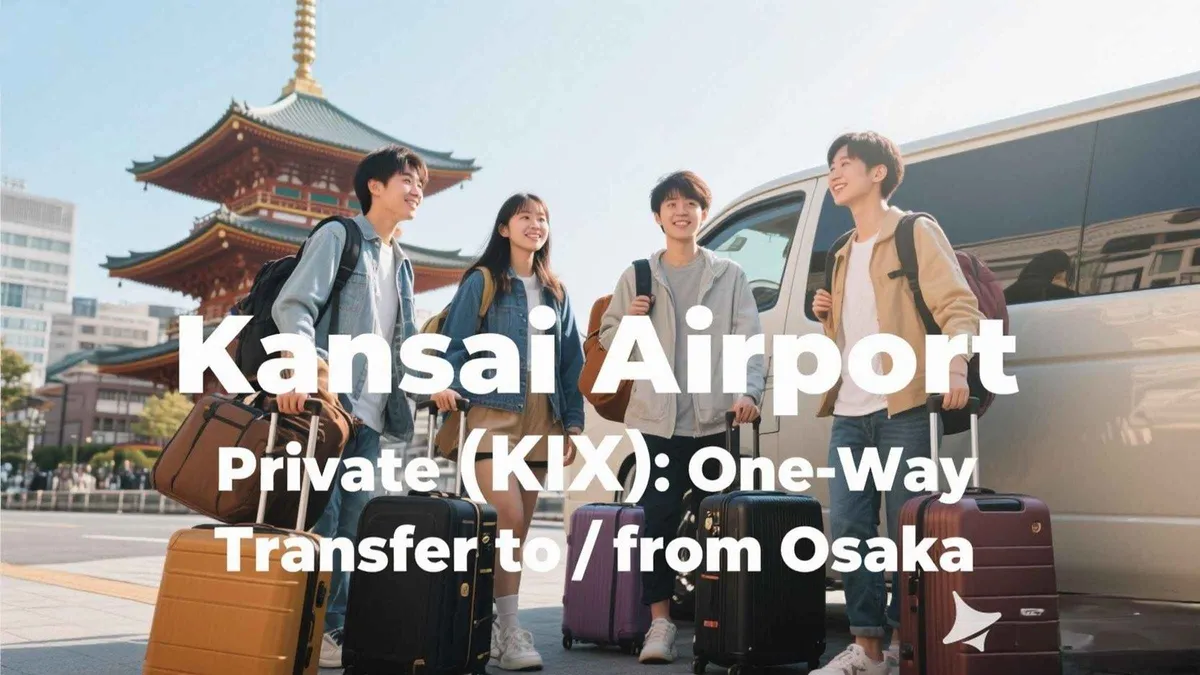 from $64.79
Kansai Airport (KIX): Private One-Way Transfer to/from Osaka
A private one-way car to or from Kansai Airport, with 60 minutes of free waiting on arrivals and flight delays covered up to two hours. The case for it is luggage and a late landing rather than speed — the train takes about as long.
Check Availability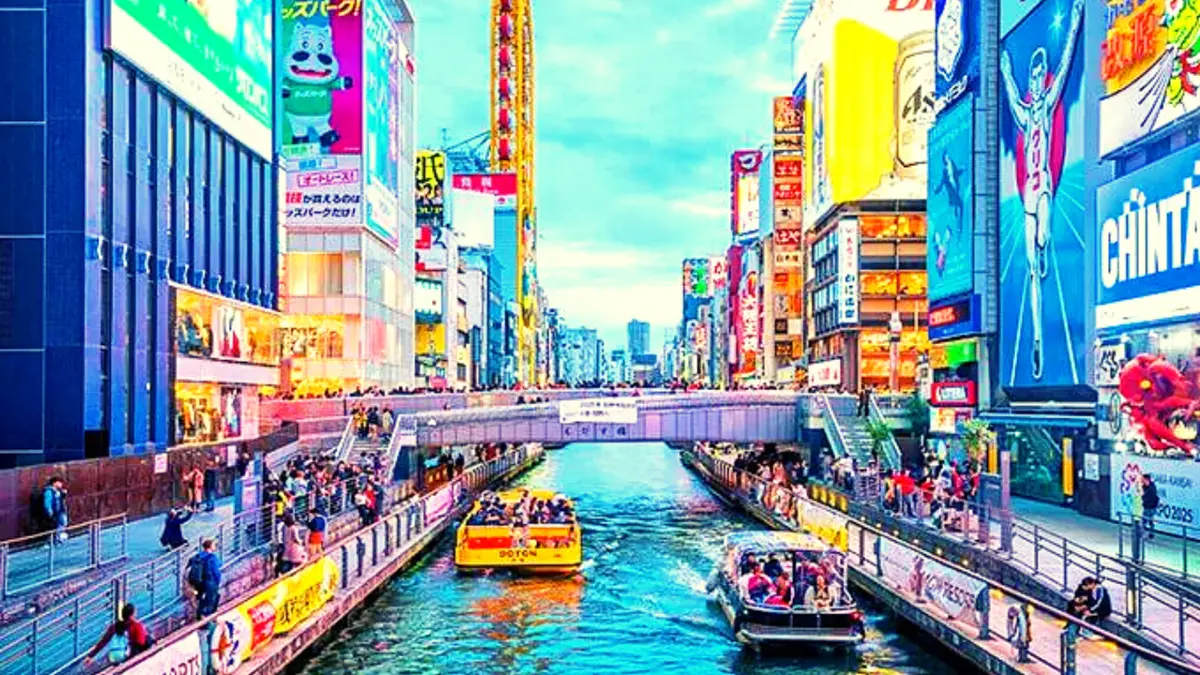 from $35.71
Osaka: Private or Group Hotspots & Hidden Gems Walking Tour
A three-hour walk that stretches to seven if you want it to, private or shared, with a takoyaki and a retro vending-machine drink included. The longer options use trains, which you pay for — usually under ¥1,000 a head.
Check Availability from $49.74
Osaka: Essential City Loop Tour with Local Guide
Five hours in a group of eight covering the castle, the Showa-era backstreets and the neon strip in one loop, with food bought stop by stop instead of a sit-down lunch. Only four people have rated it so far.
Check AvailabilityPrices, ratings and details are the platform's own. Dollar figures are the listed prices. The platform bills in your account's currency.
Buses, taxis and the wifi that is not there
The three questions that come after the trains, including one where the city's own two pages contradict each other.
Buses matter less here than in Kyoto — the subway reaches nearly everything a visitor wants — but Osaka City Bus routes are included in the Enjoy Eco Card and in the city pass, and they fill the gaps around Sumiyoshi Taisha and the southern wards. Tap the same IC card.
Taxis are metered, plentiful and honest, and the doors open themselves. What we cannot give you is a fare: the tariff is not published in anything we could read, and the one hard fact on record is that Kansai Airport's standard Airport Taxi fares ended on 31 May 2024, leaving chartered operators quoting per booking. Anyone printing a fixed airport taxi price is quoting a withdrawn product.
On ride-hailing: Uber operates at Kansai Airport with its own counter, which is the only detail the airport's own domain surfaced to us — everything else on that site answers 403 to our requests. We found no official Osaka source for Grab at all, so we make no claim either way. For a booked car with a name board, the private transfer is the version we would use.
Osaka Free Wi-Fi left the stations in 2023
This is the piece of Osaka transport advice most likely to be wrong in whatever else you have read. Osaka Free Wi-Fi was withdrawn from every station on 31 March 2023. The tourism bureau's own notice — "Termination of Osaka Free Wi-Fi at train stations" — covers every Osaka Metro, Kintetsu, Keihan and Nankai station that carried it, after NTT Docomo withdrew. Osaka Metro confirms it from the other side: the carriers ended station wireless LAN (Docomo in December 2022, KDDI in March 2023) and the bureau's service ended in March 2023, with no replacement.
And yet the bureau's own visitor page still says the service is available at train stations throughout Osaka Prefecture. Two official pages, two answers; we take the termination notice, because it is newer and names the operators.
What survives is the network at non-station venues, under three SSIDs. `Osaka_Free_Wi-Fi_OpenRoaming` has no session limit and reconnects automatically after the first time; the two legacy SSIDs, `Osaka_Free_Wi-Fi` and `Osaka_Free_Wi-Fi_New`, reset every hour and throw you back to the sign-in page every time you move to a different access point. Registration is once per SSID. Plan on mobile data instead: coverage reaches every subway station and the tunnels between them, and Osaka Metro's own answer to the gap is a commercial router rental at eight stations.
Four day shapes, and what each one should tap
The arithmetic only means something against a real day. Here are the four we would actually plan.
- A castle and bay day. Osaka Castle in the morning, the Chuo line west to the aquarium in the afternoon, dinner in Minami: four or five Metro rides across two and three zones. Buy the Enjoy Eco Card — this is the day it was designed for.
- A Minami walking day. Dotonbori, Kuromon Market, Shinsaibashi and Hozenji Yokocho are all within fifteen minutes of each other on foot. Two Metro rides at most, so tap the IC card and keep the ¥820.
- A tower-and-neon evening. Umeda Sky Building at sunset, then the Midosuji line south to Shinsekai and Tsutenkaku: two rides in the second or third fare band. The IC card again, unless you have already been out all day.
- A day trip out. Kyoto, Nara, Kobe or Himeji: the city day card is worthless outside the city boundary, so buy the single, or the regional pass only if you are doing this on consecutive days. The fares are in the table above.
Where to go next
The three pages that follow directly from this one.
Kansai Airport to Osaka
Every published route into the city with its fare and journey time — and why the city pass is no help at all.
ArrivalWhat Osaka costs
A day costed line by line, the lodging-tax bands that changed in September 2025, and the street-smoking fine.
The budgetOsaka Amazing Pass
Transport plus 41 entries, two official prices that disagree, and the break-even worked three ways.
The passGetting around Osaka: the questions
How do you travel around Osaka?
On the subway, mostly, with a lot of walking in between. Eight Metro lines and the New Tram cover almost everything on this site; fares run ¥190 to ¥390 by distance zone. Tap an ICOCA or any mutual-use IC card in and out and the fare is worked out for you. On a day with four or more rides, buy the ¥820 day card instead — the comparison is above.
How much is the subway in Osaka?
$1.19 up to 3 km, $1.50 to 7 km, $1.82 to 13 km, $2.13 to 19 km and $2.45 beyond that (¥190 · ¥240 · ¥290 · ¥340 · ¥390), with children at roughly half. The zone is worked out from the shortest route between the two stations. The ¥10 shown in brackets on the operator's table is the barrier-free surcharge that is already inside the fare, not an addition.
Is the Enjoy Eco Card worth buying?
From about the fourth ride on a weekday and the third at the weekend, because the card is ¥820 Monday to Friday and ¥620 on Saturdays, Sundays and public holidays. A castle-and-bay day clears that easily; a walking day in Minami does not. Check the exclusions first — Yumeshima, some City Bus routes and the through-running private lines are all outside it.
Where do I buy an ICOCA, and can I put it on my phone?
At any ICOCA-marked ticket machine or JR West ticket office, for ¥2,000 including a ¥500 deposit — cash only. The visitor edition is sold only at the JR Ticket Office in Kansai-Airport Station. On iPhone, ICOCA in Apple Wallet accepts an overseas-issued card and needs a ¥1,000 first top-up. There is no Google Wallet version: Android needs a Japan-market handset, so buy the plastic card. The details are here.
Does the Kansai Thru Pass still exist?
No. Since 1 April 2026 the product is the digital KANSAI RAILWAY PASS LITE, ¥5,200 for two days and ¥6,500 for three — and buses are no longer covered, which was the old pass's main selling point. It also excludes JR, the Kyoto Municipal Subway, Keihan's Otsu lines and the Randen. Screenshots of the QR code are not accepted at the gate.
Does Osaka have Uber or Grab?
Uber operates at Kansai Airport with its own counter — the one detail the airport's own site surfaced to us, since the rest of it refuses our requests. We found no official Osaka source for Grab, so we do not claim it works here. Ordinary taxis are metered, everywhere, and open their own doors; for a car that meets a flight with a name board, a booked transfer is the reliable version.
Is there free wifi at Osaka stations?
Not since 31 March 2023, when Osaka Free Wi-Fi was withdrawn from every Metro, Kintetsu, Keihan and Nankai station after the carriers pulled out. The tourism bureau's own visitor page still says otherwise; its own termination notice is newer and more specific, and that is the one to believe. The network survives at non-station venues under three SSIDs, two of which reset every hour.
On film: the subway, the stations and the network behind them
Three videos whose ids we verified against YouTube's own record and thumbnail, so none of these is a dead player. They load only when you press play.
How to Ride Subway & Trains in Osaka Japan - 10 Tips!
The gate-to-platform mechanics this page describes, filmed at ordinary pace.
Video: Yellow ProductionsTHE Osaka Station(s) Guide | Escape the Umeda Dungeons with Me!
Umeda is four stations wearing one name — the interchange worth understanding before you try it with luggage.
Video: PiQtour JapanThe Chaotic Railway Network of Osaka, Explained
Why the private railways run onto Metro track, which is exactly where the day card stops working.
Video: RMTransitVideos load from YouTube only when you press play.
Prices, hours and terms are set by the venue or operator and confirmed at checkout.
We may earn a commission if you book through one of our links, at no extra cost to you. Full affiliate disclosure