 Osaka City Guide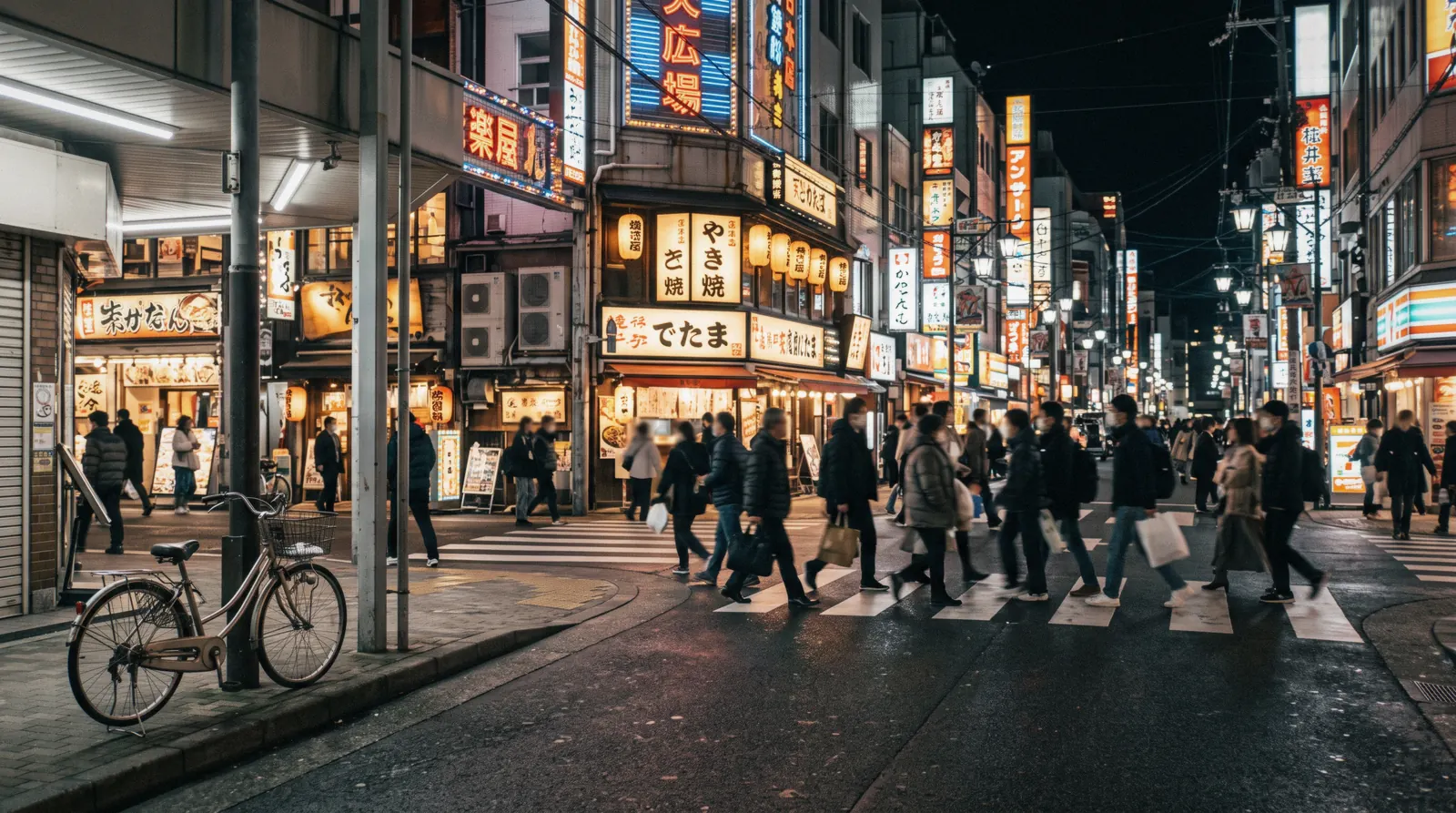
Is Osaka Worth Visiting?
Is Osaka worth visiting? Yes — for food, for the way the city behaves after dark, and because it is the cheapest and best-connected base in Kansai. No, if what brought you to Japan was temples and old streets, because Kyoto and Nara do that better and both are under an hour away by ordinary train. This page makes the case in both directions and concedes the ground the other cities genuinely win. Prices and hours are the venues' and operators' own, with dollar glosses at ¥1,000 ≈ $6.27 — the European Central Bank reference rate. The full picture of things to do in Osaka is on the city guide.
Quick answer Yes for what, no for what, and who should skip it
Osaka is worth two days on any Kansai trip, and worth skipping on a short first trip to Japan built around temples. What it has that the other cities do not: a food culture that is the reason people come, an evening street life that runs late in covered arcades and along a neon canal, prices visibly lower than Tokyo's, two attractions of a scale Kyoto has nothing like, and a position that puts Kyoto 29 minutes away for $3.64 (¥580) and Kobe 21 minutes away for $2.63 (¥420). What it lacks: an old quarter, a World Heritage temple district, and much to look at between the sights.
Key takeaways
- Come for the eating: the case for the city is the street food and the arcades, and a food tour with fifteen tastings is the fastest way into it
- Do not come for a castle: the keep is a 1931 ferro-concrete rebuild, and the original that survived is an hour west for $9.15 (¥1,460)
- The strongest argument is geography — six day trips leave from here, four of them for under $3.76 (¥600) each way
- Skip it if your trip is under a week and temple-shaped; what is actually here will tell you within a minute which camp you are in
What You Came for, and Where It Is Best
Our judgement, laid out so you can disagree with it — the only figures in this table are the fares and admissions we read on the operators' and venues' own pages in Q3 2026, at ¥1,000 ≈ $6.27. The final column is where we would actually spend the day.
| What you came for | Osaka | Kyoto | Tokyo | Where we would go |
|---|---|---|---|---|
| Eating, at street level | The reason to be here. Arcades, a market and a canal that all run on it | Refined and expensive; less of it on the street | Deeper and broader, and much dearer | Osaka, without hesitating |
| Temples and old streets | Thin. Real institutions, but no old quarter to walk | Unmatched in Japan | Scattered between towers | Kyoto — 29 minutes and $3.64 (¥580) from here |
| A castle worth the ticket | A 1931 concrete rebuild on seventeenth-century stone, $7.52 (¥1,200) | Nijo, and it is not a keep | No keep at all | Himeji: $15.68 (¥2,500) and an hour west |
| Night, late and loud | The best of the three for it, and the cheapest | Quiet after nine outside a few streets | Enormous, and spread across districts | Osaka |
| A base for the region | Six day trips, four of them under ¥600 each way | Fewer, and dearer to sleep in | The wrong end of the country for Kansai | Osaka |
| Big-ticket attractions | A theme park from $52.70 (¥8,400) and an aquarium from $17.56 (¥2,800) | Almost none of this kind | Several, and further apart | Osaka, if that is your trip |
Read down the Kyoto column before you decide. On the axis most people say they came to Japan for, Osaka loses outright — and it loses to a city twenty-nine minutes away, which is the single most important fact on this page.
What Osaka Has That the Other Cities Do Not
Four things, and the first one is not a metaphor about food.
Eating is the civic activity. Osaka's own tourism bureau describes the city through kuidaore — eating yourself to ruin — and the street layout follows: a covered market at Kuromon Ichiba with about 150 stalls, roughly 800 shops along the 2.6 km of Tenjinbashisuji, and the canal at Dotonbori with its wall of three-dimensional signs. The honest footnote: the MICHELIN 2026 Bib Gourmand selection for Osaka contains no takoyaki venue and no okonomiyaki venue at all. The two dishes the city is famous for are street food, judged shop by shop, and no guide — including this one — can hand you a certified address for them. What we can do is point you at the food pages and at the tours that do fifteen tastings across Shinsekai.
The evening is the main event. The arcades are roofed, the canal is lit, and Minami stays open long after Kyoto has gone quiet. Two decks stay open with it: Umeda Sky Building until 22:30 at $12.54 (¥2,000), the only open-air observatory in the city, and Abeno Harukas 300 until 22:00 at $12.41 (¥1,980) in advance.
It is cheaper. A metro ride is $1.19 to $2.45 (¥190 to ¥390) by zone; a whole day on the metro and city buses is $5.14 (¥820) on a weekday and $3.89 (¥620) at weekends. The prefecture's lodging tax, rebanded on 1 September 2025, charges nothing at all below ¥5,000 a person a night.
And it is the best-placed city in Kansai. Kyoto is 29 minutes for $3.64 (¥580), Kobe 21 minutes for $2.63 (¥420), Nara 38 to 50 minutes, Himeji an hour, Koyasan a mountain railway away — six day trips, compared with their fares.
What Osaka Genuinely Lacks
Three things, stated plainly, because every one of them is what a disappointed visitor was expecting.
There is no World Heritage temple district. Kyoto and Nara have them; Osaka does not. The nearest World Heritage ground is Koyasan, which is a day trip — Nankai sells its ticket to the mountain under that name and it costs $26.40 (¥4,210). The city's own great religious institutions are genuinely ancient — Shitennoji charges $3.14 (¥500) for its central precinct and keeps its grounds open around the clock, Sumiyoshi Taisha publishes no admission fee at all — but they stand in an ordinary modern city, not in a quarter you can walk between them.
The castle is a reconstruction, and it says so. The tower at Osaka Castle is the third on the site: Hideyoshi's burned in 1615, the Tokugawa keep burned in 1665, and what stands now is a ferro-concrete rebuild of 1931 paid for by public subscription. It is a good museum with a lift in it and an $7.52 (¥1,200) ticket, and the stone base, moats and turrets around it are the real seventeenth-century article, free to walk at any hour. If you came for an original interior, Himeji — never burned, never bombed, never rebuilt in concrete — is an hour west.
There is less to look at per street. This is the criticism people are too polite to write down. Between the sights, Osaka is a functional Japanese city of overhead wires and mid-rise blocks — the fabric of the old city burned twice, in the Great Namba Fire of 1912 and again in the wartime air raids, and what went up afterwards was built for work. The sights themselves are also thinner than their reputations, and the most telling evidence is what nobody publishes: no authority publishes anything about the Glico sign — not its height, not which generation is lit, not its hours; the market publishes no opening time of its own; Amerikamura publishes no boundary, no founding year and no shop count; and the "longest shopping street in Japan" is certified by a private register with no certification date. Those absences are not ours. They are what it is like to research a city whose landmarks are commercial rather than curated. Since the sights are scattered through working streets rather than gathered in a curated quarter, the best tours in Osaka bundle them for you with guided tours.
Who Should Skip It
The clearest way to answer the question is to describe the person for whom the answer is no.
Skip Osaka if your whole trip to Japan is a week or less and it is temple-shaped. With seven days, Tokyo and Kyoto plus a day in Nara is a better week than any version that includes two days here. You will not be missing an experience you cannot get elsewhere; you will be missing dinner.
Skip it if crowds and neon are the thing you travel to avoid. The case for the city is at its strongest in exactly the places that are loudest — the canal between 19:00 and 21:00, the arcades at the weekend, the kushikatsu lane in Shinsekai.
Skip staying here if you are based in Kyoto and have one spare evening. The train runs late, the fare is $3.64 (¥580), and an evening of eating followed by the last train back is a perfectly good way to have Osaka without giving it two days.
Who should absolutely come: anyone whose trip is about eating; anyone travelling with children, for whom the theme park and the aquarium beat any temple; anyone doing Kansai properly, because this is where the trains go from; and anyone on a budget.
The length of stay follows — how many days in Osaka does that arithmetic against the venues' real opening hours.
Worth It Is Partly Arithmetic
What two days here actually costs, since "worth" is a price question as much as a taste one.
Every figure below is the venue's or operator's own. Nothing here is a package: these are the individual prices that a two-day visit puts on your card before food.
| What | Price | The catch |
|---|---|---|
| A day on the metro and city buses | $5.14 (¥820) weekday, $3.89 (¥620) weekend | It stops at the city boundary — through-running private trains are not covered past it |
| Osaka Castle keep | $7.52 (¥1,200) | No reservations of any kind; last admission 17:30 |
| Osaka Aquarium Kaiyukan | $17.56 to $21.90 (¥2,800 to ¥3,500) | Four price bands by date, published about two months ahead |
| Abeno Harukas 300 | $12.41 (¥1,980) web advance, $13.79 (¥2,200) walk-up | Not on the Amazing Pass free list at all |
| Universal Studios Japan, 1-Day Studio Pass | From $52.70 (¥8,400) | Priced date by date; express passes are extra and do not admit you |
| Lodging tax, per person per night | Nothing under ¥5,000, then ¥200 / ¥400 / ¥500 | Rebanded on 1 September 2025 — most sites still print the old bands |
Two days of the city with a deck, the castle and the aquarium runs to roughly $50.20 to $62.70 (¥8,000 to ¥10,000) a head in admissions, before food. Whether that makes Osaka worth visiting depends on which column of the table above you were reading — but the price side of the argument is not close.
The Experiences That Make the Case
If the answer is yes, it is usually because of one of these. Prices are the platform's own listings in US dollars; the operator confirms the charge in your currency at checkout.
 from $60.86
Most booked
from $60.86
Most booked
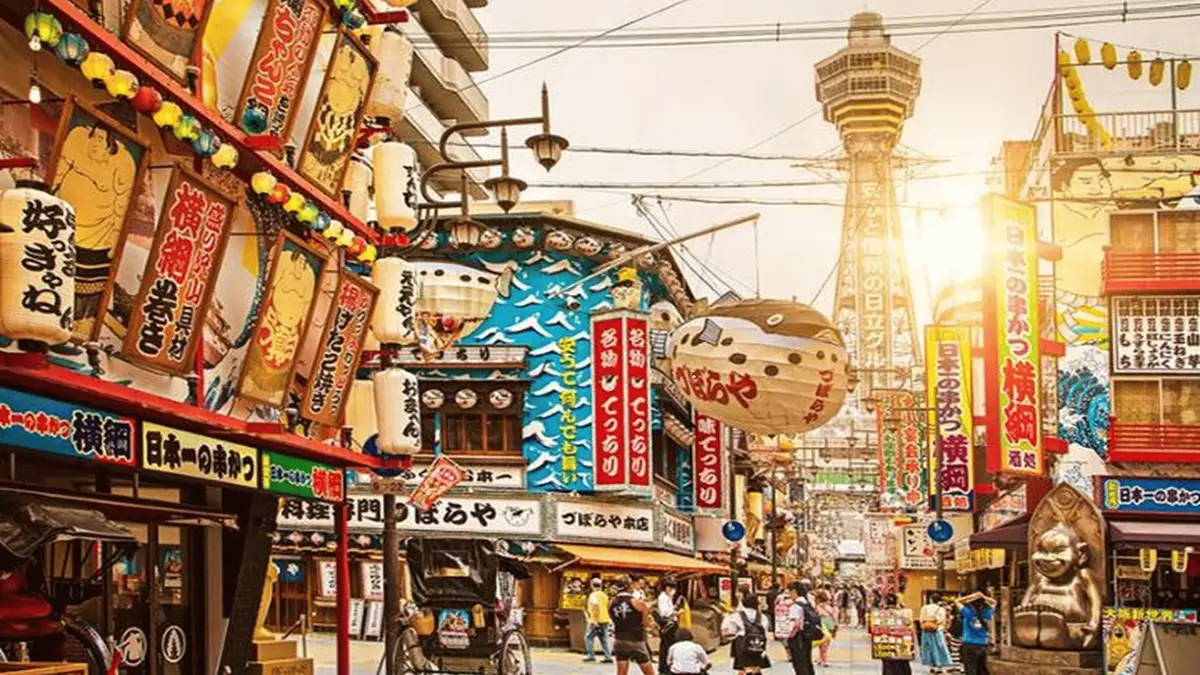
Osaka: Food Tour with 15 Dishes & 3 Drinks with a Local Expert
The same shape as the Hungry Osaka walk — five Shinsekai venues, fifteen dishes, three drinks — for about nine dollars less, with far more reviews behind the rating and hotel pickup included.
Check Availability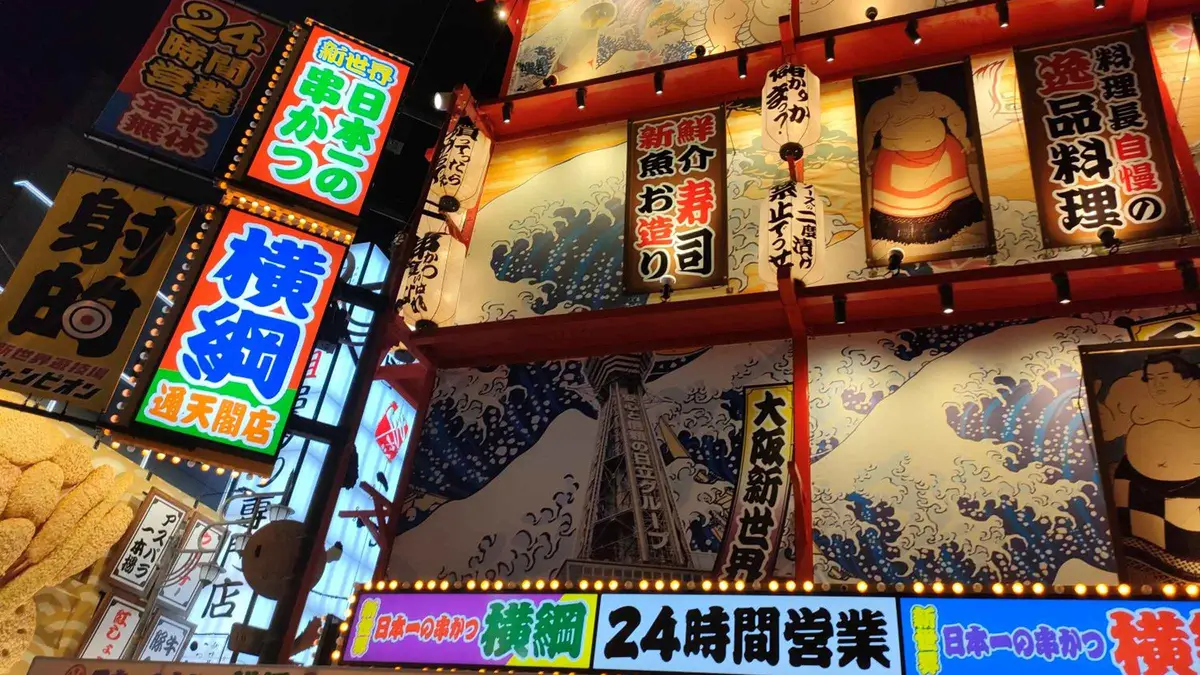 from $69.79
Hungry Osaka Street Food Tour Shinsekai: 15 Tastings 3 Drinks
Fifteen tastings and three drinks across an izakaya, a stall, a standing bar and two restaurants in Shinsekai, over three hours. The best rated of the big evening food walks; getting there and home afterwards is your own affair.
Check Availability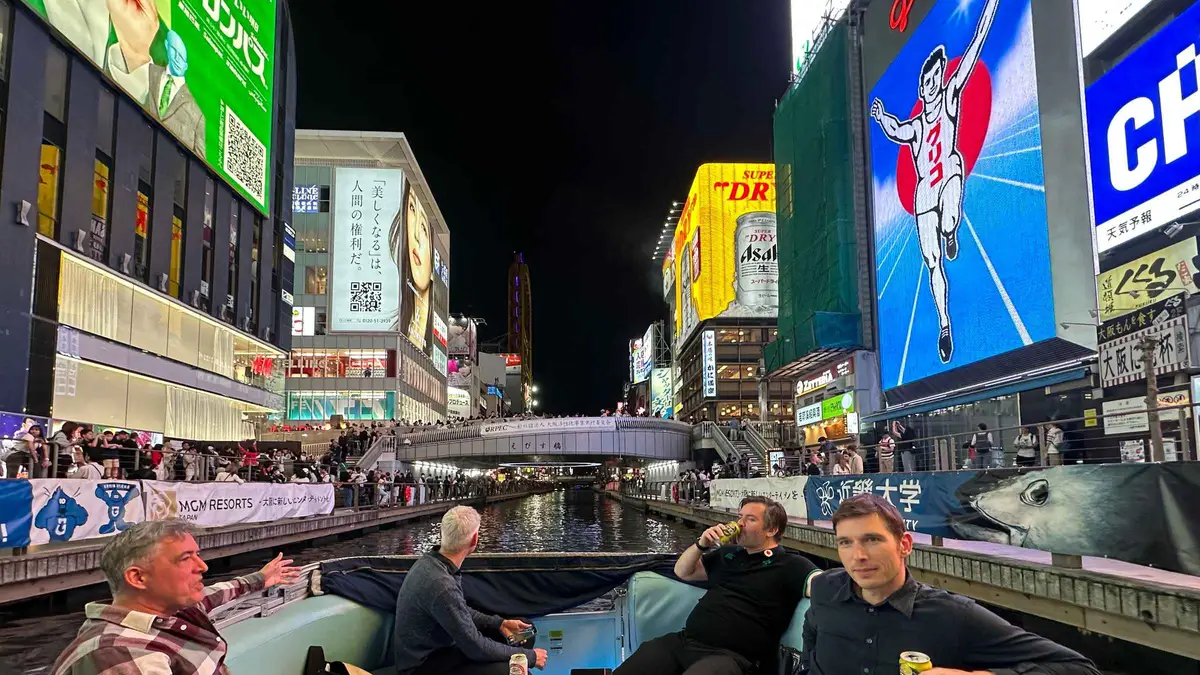 from $12.49
Osaka: Dotonbori River Cruise with Glico Sign & Neon Views
Twenty minutes on the water past the Glico sign, boarding at Minatomachi Pier rather than the Tombori River Walk, and you may bring your own drinks. The rival Tombori River Cruise is free with the Osaka Amazing Pass; this boat is not.
Check Availability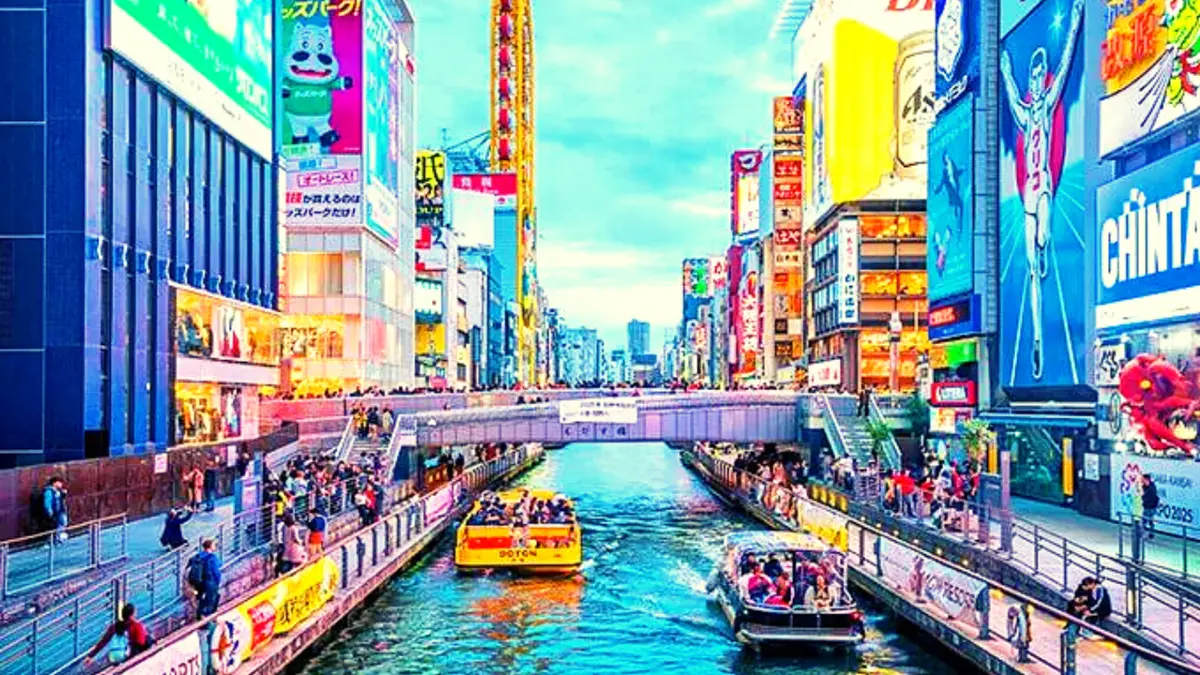 from $35.71
Osaka: Private or Group Hotspots & Hidden Gems Walking Tour
A three-hour walk that stretches to seven if you want it to, private or shared, with a takoyaki and a retro vending-machine drink included. The longer options use trains, which you pay for — usually under ¥1,000 a head.
Check Availability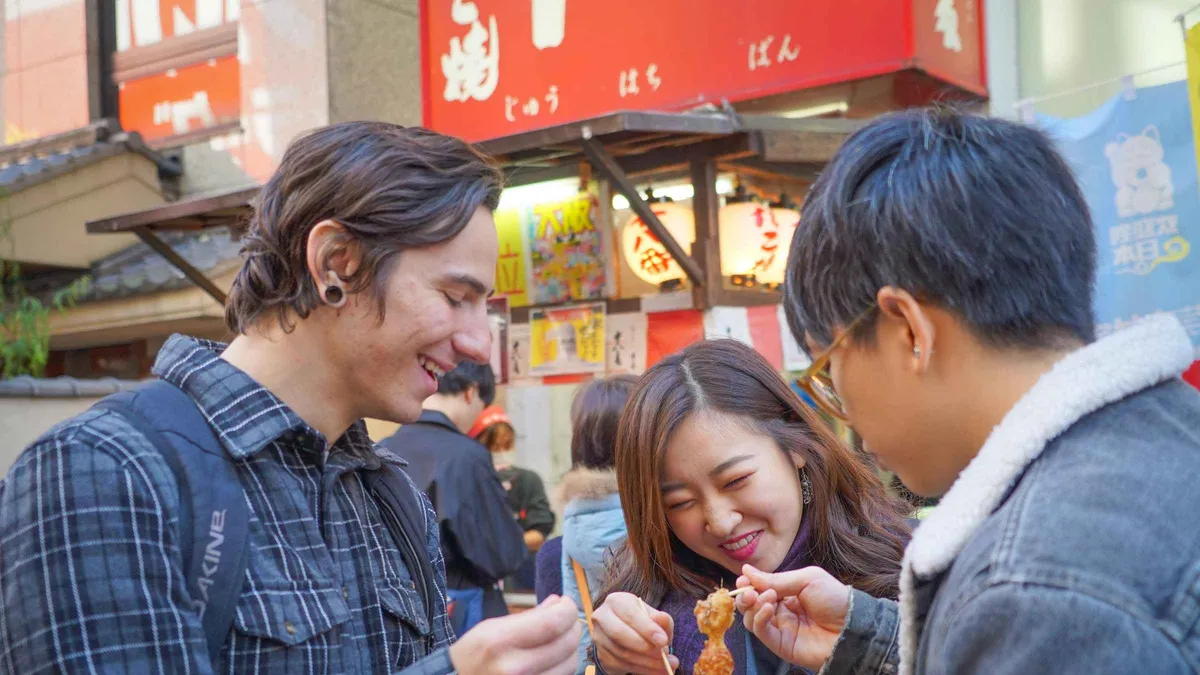 from $104.87
Osaka: Local Foodie Tour in Dotonbori and Shinsekai
Three hours across Shinsekai and Dotonbori taking in kushikatsu, takoyaki and an okonomiyaki you cook yourself, with two drinks. The dearest food walk here, and the ¥190 train fare between the two districts is on you.
Check AvailabilityPrices, ratings and details are the platform's own. Dollar figures are the listed prices. The platform bills in your account's currency.
Where to Go Next
Three pages that turn a yes into a plan, and a no into a day trip.
Things to do in Osaka
Everything the city actually holds, with hours and admissions, so you can judge the case for yourself.
The listHow many days in Osaka
Two days is the answer for most people; here is what one, three and four days hold instead.
The arithmeticDay trips from Osaka
Six destinations with their fares — the argument for basing yourself here even if the city leaves you cold.
The escapeIs Osaka Worth Visiting: The Questions
Is Osaka worth visiting?
For two days on a Kansai trip, yes: the food, the arcades and the evening are genuinely different from anywhere else in Japan, prices are lower than Tokyo's, and six day trips leave from here — four for under ¥600 each way. On a short, temple-shaped first trip to Japan, no: Kyoto is 29 minutes and $3.64 (¥580) away and does that better. What is actually here settles it quickly.
Is Osaka boring compared with the other big cities?
It is less pretty and has less to look at between the sights, and it shows. What it is not is quiet: the arcades, the canal and the kushikatsu lanes run late, and the decks stay open until 22:00 and 22:30. Judge a city by its streets and you may be underwhelmed; judge it by its evenings and you will not be.
Who should skip it?
Anyone with a week or less in Japan whose list is temples and gardens, and anyone who travels to get away from crowds and neon. Both of those people can still eat here for one evening from a Kyoto base — the last trains run late and the fare is $3.64 (¥580) — which is the version of Osaka that suits them.
Is the castle worth the ticket?
It depends what you want from a castle. The keep is a 1931 ferro-concrete rebuild with lifts, so it is a museum rather than a historic interior; the $7.52 (¥1,200) ticket buys a good account of Hideyoshi and the sieges plus a view from the eighth floor. The stone base, moats and turrets outside it are the genuine seventeenth-century work and cost nothing. For an original keep, Himeji is an hour west at $15.68 (¥2,500).
Is it worth visiting with children?
This is where Osaka beats both of the other cities outright. Universal Studios Japan starts at $52.70 (¥8,400) for a 1-Day Studio Pass, Kaiyukan is the biggest attraction in the city that is not a theme park, at ¥2,800 to ¥3,500 by date, the zoo charges $5.02 (¥800) and the Cup Noodles Museum in Ikeda is free. Nothing on that list has an equivalent in Kyoto.
Is one night here enough to judge it?
One night is enough to see whether you like it, because the case for the city is made after dark: the canal, an arcade, a counter with a plate on it and a river cruise that runs twenty minutes. What one night cannot show you is the bay, the theme park or the temple south of Tennoji. The length-of-stay page has the rest of the arithmetic.
Judge It for Yourself, on Film
Three videos that argue the question this page asks — each id checked against YouTube's own record. They load only when you press play.
Why You HAVE to Visit Osaka | The Complete Osaka Guide | Don't Miss It
The case for the city made at length, which is the argument this page tests.
Video: Hoang PhamIs Osaka Japan Worth It for Families in 2026?
The same question asked from a family's point of view, where the answer often changes.
Video: Shawn and Amanda KingTop 15 things to do in Osaka Japan | Osaka Travel Guide
The full inventory, which is the fairest test of whether the city is your kind of place.
Video: Allan SuVideos load from YouTube only when you press play.
Prices, hours and terms are set by the venue or operator and confirmed at checkout.
We may earn a commission if you book through one of our links, at no extra cost to you. Full affiliate disclosure