 Osaka City Guide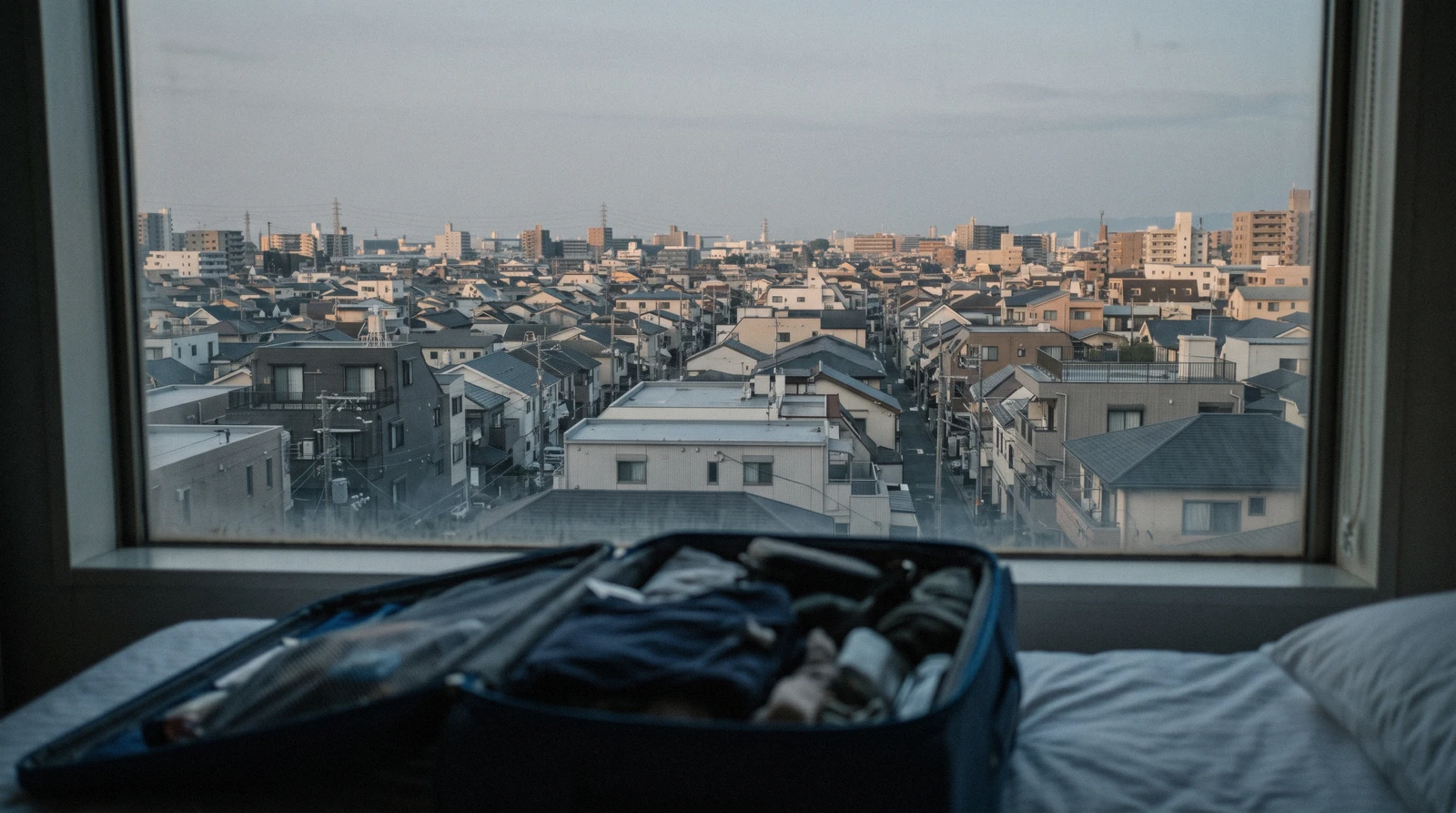
How Many Days in Osaka?
Two days. That is the answer for most people asking how many days in Osaka they need: two full days cover Osaka's headline sights at a walking pace without a forced march, and a third is worth adding only if you want a day trip out of the city or a theme park. Below is the arithmetic behind it — what one, two, three and four days hold once you set them against the real opening hours, the last-admission times and the two weekdays on which half the museums shut. Every hour and price here is the venue's own, with dollar glosses at ¥1,000 ≈ $6.27, the European Central Bank reference rate. The routes themselves are on the three itinerary pages; the city as a whole is covered in things to do in Osaka.
Quick answer One, two, three or four days — what each actually holds
Two days is enough for Osaka. Day one is the castle, the museum beside it, the covered market and the canal, finishing on an observation deck; day two is the bay and the aquarium, or the northern half of the city and its arcades. A third day is worth having only if you want something the city itself does not hold — a day trip, or Universal Studios Japan, either of which takes the whole day. Four days is the number for a trip that uses Osaka as its base for Kansai. One day works, but it is a route rather than a visit, and it gives up the aquarium and the theme park entirely.
Key takeaways
- One day: follow the north-south line and accept the losses — the one-day route is built around the castle's 17:30 last admission and a deck at sunset
- Two days: the two-day version adds the bay, and the $17.56 (¥2,800)-and-up aquarium is the one ticket that needs a whole afternoon
- Three days: use the third for a day trip — Kyoto is 29 minutes and $3.64 (¥580) each way — or for the theme park, never for both
- Whatever the number, check the weekday first: Mondays close the zoo and two art museums, Tuesdays close the history museum, and a guided half day is the usual salvage
What Each Extra Day Actually Buys
Built from the venues' own published hours and admissions, read on in Q3 2026. The entries column is the adult admission for what that day realistically opens, at ¥1,000 ≈ $6.27 — food, transport and shopping are not in it.
| Length of stay | What it holds | What you give up | Entries, roughly | Who it fits |
|---|---|---|---|---|
| 1 day | Castle keep, the history museum opposite, Kuromon Ichiba for lunch, Dotonbori, Shinsekai, one observation deck at sunset | The aquarium, the theme park, the bay, every temple south of Tennoji | About $33.10 (¥5,280) | A layover, or a night between Kyoto and Hiroshima |
| 2 days | All of the above, plus the bay and the aquarium, or Umeda and the northern arcades, plus a temple morning | A day trip out of the city, and the theme park | About $50.20–$62.70 (¥8,000–¥10,000) | Most first visits — this is the answer |
| 3 days | The full city, plus one whole day given to either a day trip or Universal Studios Japan | The second day trip; the quieter districts | About $69.00–$116.00 (¥11,000–¥18,500) | Anyone who came for the theme park, or for Kansai |
| 4 days | The city at a walking pace, two days out — Kyoto and one other — and an evening with nothing booked | Very little that is in Osaka itself | About $81.50–$131.70 (¥13,000–¥21,000) | Using Osaka as a base rather than a stop |
The jump between two and three days is the biggest on the table because a third day is spent, not spread: both of the things it buys — a train out of the city, or the theme park — consume the whole of it.
One Day: A Route, Not a Visit
It works, and it is honest to say what it costs you.
Osaka's headline sights sit on one north-south line, which is what makes a single day possible. The keep of Osaka Castle opens at 09:00 and stops admitting at 17:30 for a $7.52 (¥1,200) ticket, and it takes no reservations of any kind — the queue is the only booking system there is. The Museum of History stands across the road at $3.76 (¥600) and shuts at 17:00 with last admission at 16:30. The line then runs down through Kuromon Ichiba, Dotonbori and Shinsekai to a deck: Abeno Harukas 300 at $12.41 (¥1,980) bought online the day before, open until 22:00, or Umeda Sky Building at $12.54 (¥2,000), open until 22:30 and the only open-air one.
With Tsutenkaku at $9.41 (¥1,500) on the way past — timed reservation required — that is about ¥5,280 in admissions and a genuinely full day. What it cannot hold: Kaiyukan, which wants three hours to itself; Universal Studios Japan, which wants all of them; and the temples south of Tennoji. The one-day itinerary has the timings.
Two Days: The Answer for Most People
The second day is not more of the first — it is the half of the city the one-day line misses.
Day two goes one of two ways, and both work. West, to the bay: Osaka Aquarium Kaiyukan charges between $17.56 and $21.90 (¥2,800 and ¥3,500) depending on the date, opens between 08:00 and 10:30, closes between 20:00 and 21:00 with last admission an hour before, and takes an afternoon. Around it sit the Tempozan wheel and the harbour.
Or north, to Kita: Umeda Sky Building in the morning, the covered length of Tenjinbashisuji — about 2.6 km and roughly 800 shops, on the tourism bureau's own figures — and an afternoon among the museums of Nakanoshima.
Either way, the second day is also where the temples fit. Shitennoji charges $3.14 (¥500) for the central precinct and closes it at 16:00, though the grounds themselves are free and the gates stand open around the clock. Sumiyoshi Taisha publishes no admission fee at all — not "free", but no fee published anywhere on its own site — and closes its outer gates at 16:00.
Two days is where the arithmetic stops arguing with itself: nothing is cut, nothing is rushed, and the evenings are still yours. The two-day itinerary is the route.
Three Days, and Whether a Fourth Earns Its Keep
The third day is a single decision, and it is not a decision about Osaka.
A third day buys exactly one of two things. A day trip: Kyoto is 29 minutes and $3.64 (¥580) on the JR Special Rapid, Kobe is 21 minutes and $2.63 (¥420), Nara is 38 to 50 minutes depending on the line, and the day-trips page compares all six with their fares. Or Universal Studios Japan, whose 1-Day Studio Pass starts at $52.70 (¥8,400) and prices every date separately, and which is a whole day from opening to close plus the travel at both ends.
Doing both on a three-day trip is the mistake we see most often. It leaves one day for the entire city, which is the one-day route above with a tired start.
A fourth day changes the character of the trip: Osaka becomes the base rather than the destination, and two days out of the city become comfortable — Kyoto and one other. It is also where the transport arithmetic starts to matter, because the passes that look attractive for a week are mostly wrong for these journeys; getting around Osaka has that comparison, and the three-day itinerary is the longest route we publish.
Beyond four days you are no longer planning Osaka but Kansai, and those plans are built out of day trips rather than out of new districts. A fourth day also frees room for one of the osaka guided tours on the days you stay in the city, and the best tours in Osaka are gathered on tours in Osaka.
The Weekday You Arrive Decides More Than the Number of Days
Osaka's closed days do not agree with each other, and on a two-day stay one wrong weekday removes a third of the plan.
There is no city-wide closing day here: three institutions close on Mondays, two on Tuesdays, and one on irregular Mondays published date by date. On a five-day trip that is noise; on a two-day trip it is the plan.
| Closed on | What shuts | What to do instead |
|---|---|---|
| Mondays | Tennoji Zoo (the next day if the Monday is a holiday), the Science Museum, the National Museum of Art | The castle, the bay and the arcades all open — this is the day for Kaiyukan |
| Tuesdays | The Osaka Museum of History and the Cup Noodles Museum, both moving to the next day when the Tuesday is a holiday | Do the castle without the museum opposite, and give the time to Shitennoji |
| Irregular Mondays | teamLab's botanical garden — the dates are published individually, not as a rule | Check before you commit an evening; the deck at Umeda Sky runs to 22:30 |
| 28 December – 1 January | Osaka Castle keep, with the zoo and the museums on their own New Year closures | The park, the moats and the turrets stay walkable at no charge |
One more scheduling fact that changes a short stay: Tsutenkaku now requires a timed reservation for every ticket, holders of the Osaka Amazing Pass included, who must book their time at the counter on the day. It is no longer a tower you walk into on the way past, which matters most when you only have one evening.
What to Book When the Days Are Short
Prices are the platform's own listings in US dollars; the operator confirms the charge at checkout. These are the compressions — three to seven hours covering what a first day would otherwise take a map and a lot of walking to find.
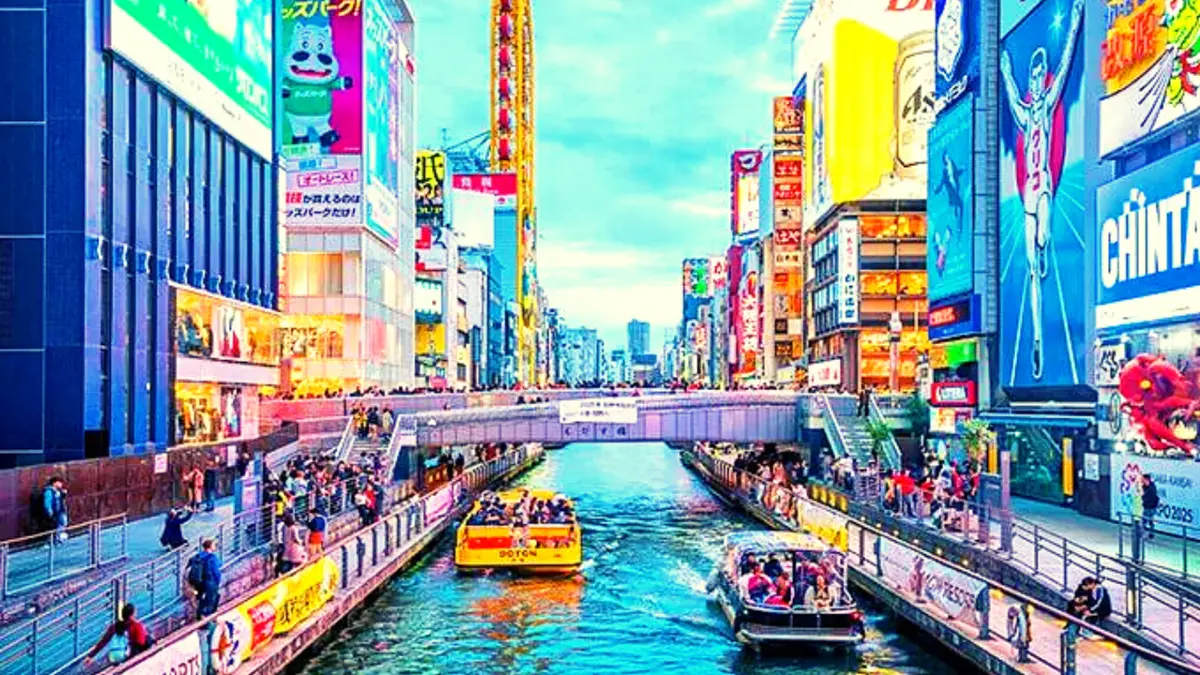 from $35.71
Osaka: Private or Group Hotspots & Hidden Gems Walking Tour
A three-hour walk that stretches to seven if you want it to, private or shared, with a takoyaki and a retro vending-machine drink included. The longer options use trains, which you pay for — usually under ¥1,000 a head.
Check Availability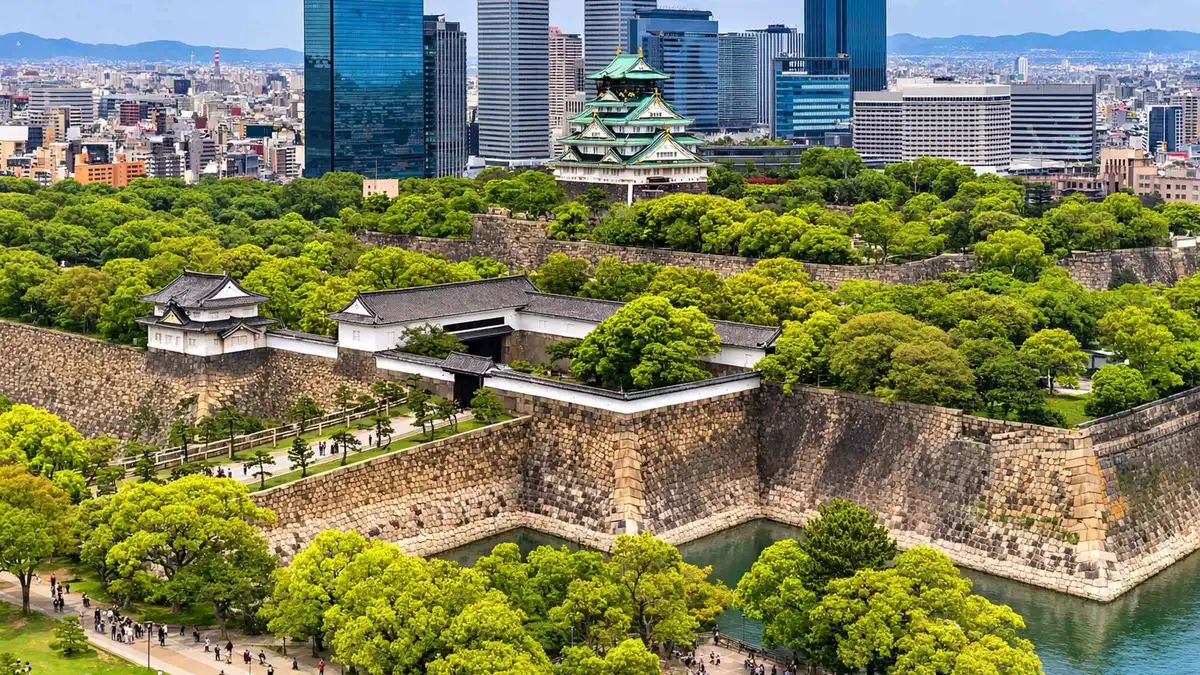 from $54.56
Osaka: Guided Walking Tour with a Native Expert – Top Sights
Four hours linking Osaka Castle, Tsutenkaku and Namba by metro, with the ¥1,200 keep admission included and the ¥430 of train fares not. A Japan Rail Pass buys you nothing here — the route runs on Osaka Metro.
Check Availability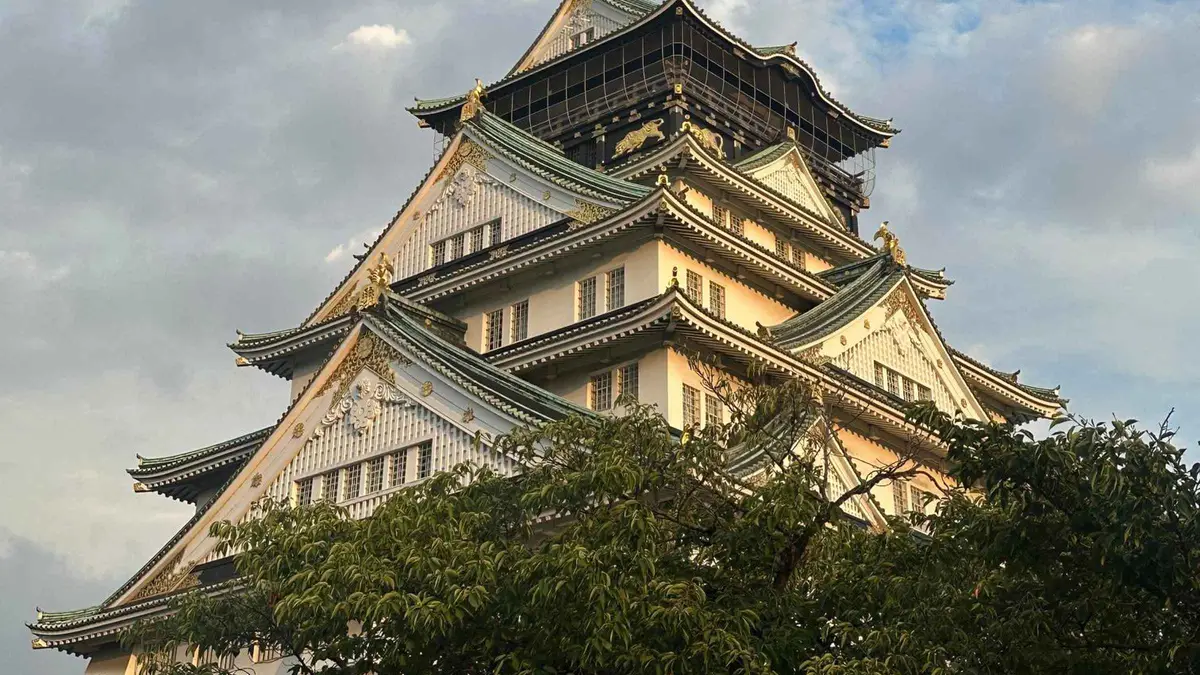 from $49.74
Osaka: Essential City Loop Tour with Local Guide
Five hours in a group of eight covering the castle, the Showa-era backstreets and the neon strip in one loop, with food bought stop by stop instead of a sit-down lunch. Only four people have rated it so far.
Check Availability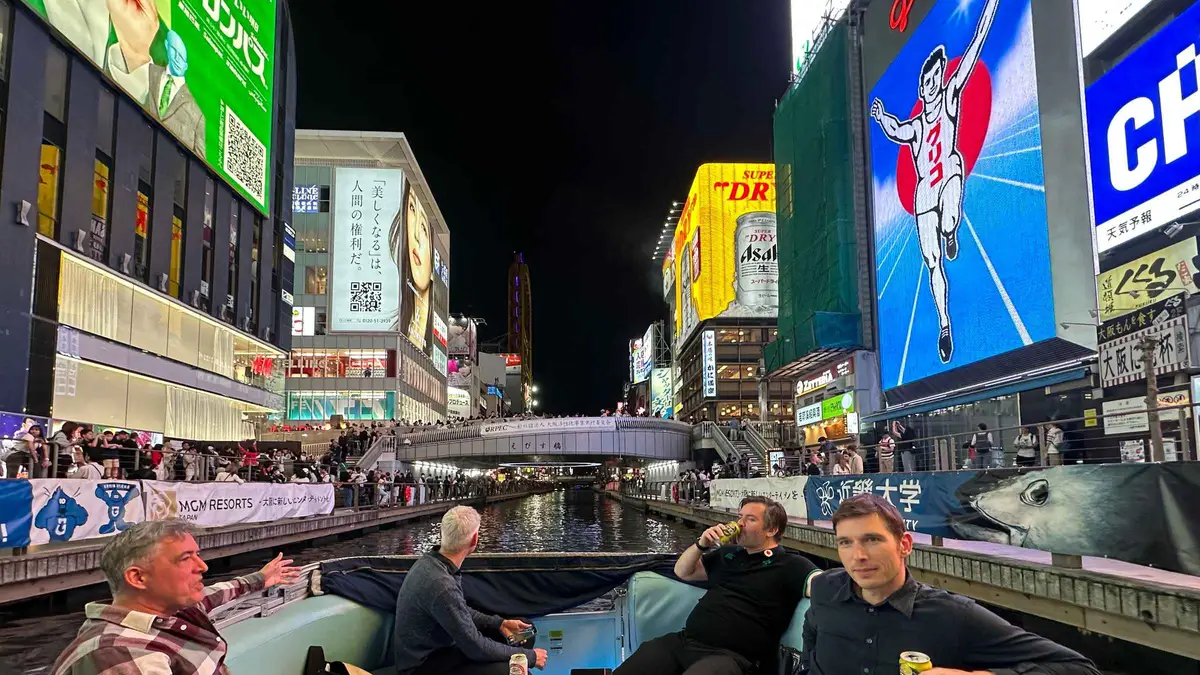 from $12.49
Osaka: Dotonbori River Cruise with Glico Sign & Neon Views
Twenty minutes on the water past the Glico sign, boarding at Minatomachi Pier rather than the Tombori River Walk, and you may bring your own drinks. The rival Tombori River Cruise is free with the Osaka Amazing Pass; this boat is not.
Check Availability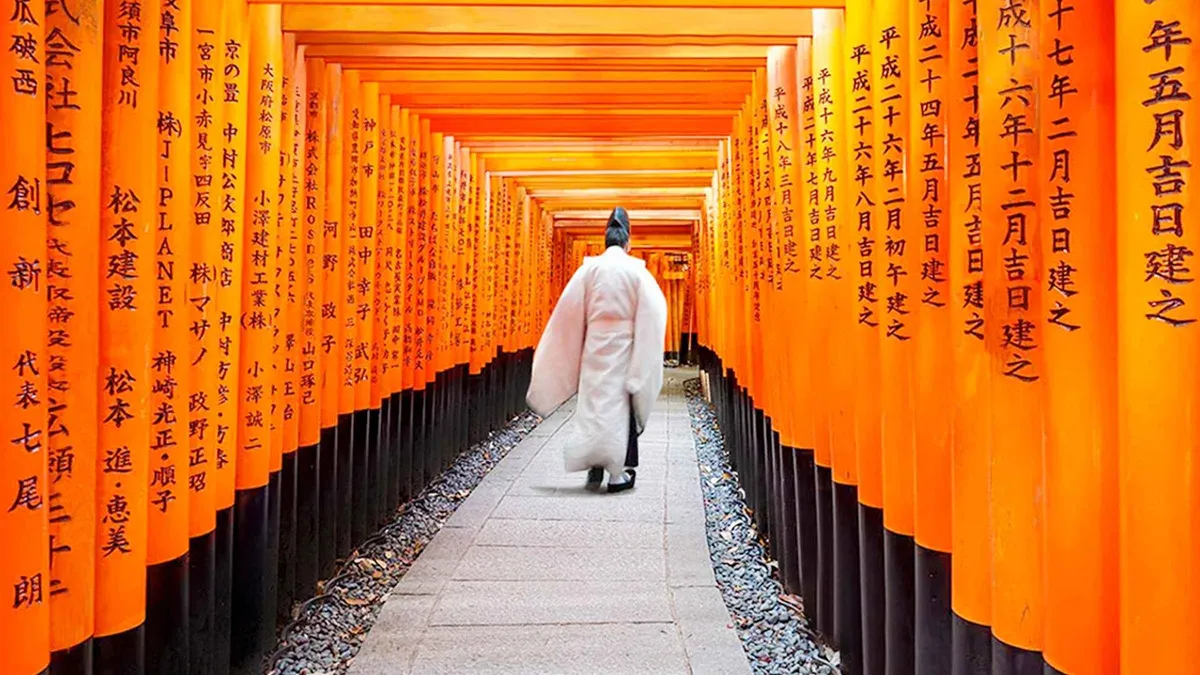 from $50.72
Most booked
from $50.72
Most booked
Kyoto/Osaka: Nara, Fushimi Inari Taisha, Arashiyama Bus Tour
A nine- to ten-hour coach loop to Nara's deer, the Fushimi Inari torii and the Arashiyama bamboo, with an English- and Chinese-speaking guide. No admissions and no lunch are included, and deer crackers are cash on the day.
Check AvailabilityPrices, ratings and details are the platform's own. Dollar figures are the listed prices. The platform bills in your account's currency.
The Three Routes, Written Out
Whichever number you land on, these are the plans behind it.
Osaka in one day
The north-south line, timed around the castle's 17:30 last admission and a deck at sunset.
The routeOsaka in two days
The city and the bay, with the temples and the arcades that a single day cannot hold.
The answerOsaka in three days
The full city plus the day you spend outside it, or inside the theme park.
The long versionHow Many Days in Osaka: The Questions
How many days do you need in Osaka?
Two. Two full days cover the castle, the canal, the markets, the arcades and either the bay or the northern half of the city, at about $50.20 to $62.70 (¥8,000 to ¥10,000) in admissions, without cutting anything short. A third day is only worth adding if you want a day trip or the theme park, because each of those takes a whole day of its own.
Is two days enough here?
Yes — it is the number we would give a first-time visitor. What two days cannot hold is Universal Studios Japan, a full day from opening to close, and a train out of the city. Everything else fits, including the aquarium, which needs an afternoon of its own and charges between ¥2,800 and ¥3,500 by date.
Is three days too much?
Not if the third day leaves the city or goes to the theme park; yes, if it is a third day of the same districts. Osaka is compact, so the value of a third day inside it is low — which is why Kyoto, at 29 minutes and $3.64 (¥580), is such a natural use of it.
Is one day enough?
It works as a route and not as a visit. One day holds the castle, the history museum, Kuromon, Dotonbori, Shinsekai and a deck at sunset — about $33.10 (¥5,280) in admissions — and it gives up the aquarium, the theme park and everything on the bay. The one-day itinerary is built to lose as little as possible; a guided half day is the shortcut if you land late.
Do you need an extra day for the theme park?
Yes, a whole one. The 1-Day Studio Pass starts at $52.70 (¥8,400) with prices set date by date, and the park's own header reads 09:00 to 20:00 — hours that change without notice. Nobody sees the park and the city in the same day. The ticket page has the pass tiers.
Does the day of the week change how long you need?
It changes what a given day holds. Mondays close the zoo, the Science Museum and the National Museum of Art; Tuesdays close the Museum of History and the Cup Noodles Museum; teamLab closes on irregular Mondays published date by date. On a two-day stay that costs roughly a third of one day's options unless you build around it.
How long if you are also seeing Kyoto?
Give Osaka two days and Kyoto its own base if you can; if you are staying here throughout, four days is the honest number — two in the city, two out of it. The train is 29 minutes for $3.64 (¥580), which is why so many people make Osaka the base. The day-trips page compares all six destinations and the passes.
One Day, Three Days, Four Days on Film
Three itineraries at the lengths this page argues over — each id checked against YouTube's own record. They load only when you press play.
1 DAY OSAKA ITINERARY 🐙 Japan Travel Guide 🇯🇵
The single-day version, useful for seeing how little fits when a day is all you have.
Video: Sunny in JapanHow to Spend 3 Days in OSAKA - Japan Travel Itinerary
The three days this page settles on, walked in order.
Video: Inaka Adventure4 DAY OSAKA ITINERARY 🇯🇵 the best things to do in Osaka 🐙 Japan Travel Guide
A fourth day added, and what it actually gets spent on.
Video: Sunny in JapanVideos load from YouTube only when you press play.
Prices, hours and terms are set by the venue or operator and confirmed at checkout.
We may earn a commission if you book through one of our links, at no extra cost to you. Full affiliate disclosure